

Studying dentistry in Saudi Arabia is a strategic choice for international students who want a medical career in a modern, fast-developing education system. Public universities in the Kingdom offer bachelor’s programs in dentistry with a growing focus on clinical training and scientific innovation. If you are thinking of applying, this guide explains the programs, admission requirements, the scholarship rules for health majors and the application steps for 2026.
🧮 Calculate your study cost in Saudi Arabia in your own currency – official fees, housing and living costs (estimated) and scholarship eligibility in one minute: Study cost calculator
Dentistry programs at Saudi universities
Public universities in Saudi Arabia offer bachelor’s programs in dentistry, among the most prominent medical programs in the Kingdom, with intensive clinical training in equipped teaching centers. The language of instruction depends on the university, so check each program page.
- Duration: varies by university; it usually includes a study stage followed by a clinical internship year.
- Language: depends on the university and program; English terminology is widely used in scientific subjects.
- Recognition: programs are offered by universities licensed in Saudi Arabia, and practising as a dentist requires registration with the Saudi Commission for Health Specialties (SCHS).
- Practical training: moves from laboratories and simulation to treating patients in university dental clinics under supervision (see, for example, the King Saud University BDS page).
The following universities are among the institutions that teach dentistry:
Dentistry programs are offered by universities such as King Saud University (Riyadh), King Faisal University (Al-Ahsa), King Khalid University (Abha) and King Abdulaziz University (Jeddah); each link goes to the university’s own College of Dentistry website. Program length and language of instruction differ, so check each university’s official website.
Admission requirements differ by university, but they usually require a high school certificate (science track) with a high grade, plus any admission tests set by the university or the national authorities.
Competition for dentistry places in Saudi Arabia
Admission to dentistry can be selective, and each university sets its own entry requirements, so check the official admission page of the college you want.
Admission thresholds differ from one university to another.
- Minimum high school result: set by each university, with the science track required.
- Admission tests: if a university requires them, the subjects are published on its admission page, so check them there.
- National tests: Qudurat (General Aptitude Test) and Tahsili (Achievement Test) are national exams. Check whether your university requires them for international applicants, and follow the instructions on its website or on the Ministry of Education page.
Applicants usually need a high school certificate recognised in Saudi Arabia. Language requirements depend on the program, and some universities offer preparatory programs, so confirm with the university.
Can I apply for dentistry without an Arabic-language certificate?
Yes, nationality is not limited to Arabs, but language requirements depend on the university and program. Some programs are taught in Arabic and may ask for proof of Arabic proficiency, and some may require preparatory study. Confirm the exact requirements with the university before applying.
Scholarships for dentistry in Saudi Arabia
Around 27 public universities in Saudi Arabia offer scholarships to international students, but it is important to know that health and medical majors, including dentistry, are excluded from scholarship applications under Ministry of Education rules.
This means scholarship applications through the Study in Saudi platform are not open for dentistry. However, some public universities publish fee-paying routes for non-Saudis. For example, King Saud University accepts non-resident applicants to fee-based bachelor’s programs in health sciences, and King Khalid University publishes tuition fees for international students in dentistry. Check each university’s international admissions page.
- Internal scholarships (for legal residents): not available for medical and dental majors.
- External scholarships (for applicants from abroad): not available for health majors through Study in Saudi. Other funding, such as a scholarship from your own government or another sponsor, is arranged outside this platform, so ask the sponsor whether it covers dentistry in Saudi Arabia.
- Fee-paying study: you cover tuition, housing and living costs yourself, and fees vary by university.
- How to apply: through the international admissions page of the university you choose. For majors that are open to scholarships, applications go through studyinsaudi.sa.
For majors that are open to scholarships, selection depends on the academic and other conditions published for each program.
What do Study in Saudi scholarships offer in other majors?
For majors open to scholarships (not health majors), the benefits per the platform’s rules include:
- Full tuition.
- University housing.
- A monthly stipend.
- Annual tickets (per the scholarship rules).
- Healthcare.
- A free residence permit (iqama) through a letter from the university.
Other documents, such as a health certificate and a police clearance certificate, may be required depending on the program, so confirm the list with the university.
Conditions and requirements for applying to study dentistry
Conditions differ by university, but there are basic requirements common to most international applicants.
- Age (for scholarship applications): up to 25 for a bachelor’s degree, 30 for a master’s and 35 for a PhD.
- Nationality: open to international students of different nationalities; conditions vary by program.
- Gender: female students may apply, and female scholarship students need a mahram (male guardian) during their stay.
- Certificate: a high school certificate (science track) with an average that meets the university’s requirement.
- Language: depends on the program; check whether Arabic or English proficiency is required.
- Medical examination: a medical examination may be required before admission.
- Security clearance: a police clearance certificate may be required.
- Government approval: requirements differ; ask the university whether any approval from your home country is needed.
- Previous scholarships: check the conditions on the program page of the Study in Saudi platform before applying.
Certificates issued outside the Kingdom generally need to be recognised by the Saudi Ministry of Education, and you can check the process in the certificate equivalency guide.
Residence and university housing for international students
Scholarship students receive a free residence permit (iqama) through an official letter from the university, which can be issued after admission.
- Residence permit: free for scholarship students, and issued with the university’s help.
- Health insurance: included in scholarships; fee-paying students should ask the university what insurance is required.
- University housing: available at many universities, so ask whether it is offered to your category of student.
- Students without scholarships: can pay for housing, with prices that vary by city and type of accommodation.
You must be registered at the university and hold an official admission letter in order to obtain a residence permit.
Job opportunities after graduating in dentistry
Dentistry graduates can work in the public and private healthcare sectors; job availability depends on the market, your specialty and your professional registration.
- Available jobs: dentist in government hospitals and clinics, or in private clinics.
- Monthly salary: varies by experience, city and employer.
- Private sector opportunities: you can open a private clinic or join medical companies.
- Further study: you can join master’s or PhD programs in advanced specialties such as orthodontics, oral surgery or cosmetic dentistry.
Registration with the Saudi Commission for Health Specialties (SCHS) is required before starting work as a licensed healthcare practitioner in Saudi Arabia (SCFHS).
Fee-paying routes for dentistry in Saudi Arabia
Because scholarship applications exclude health majors, international students who want to study dentistry should look at universities that publish fee-paying admission. King Saud University states that non-resident applicants can apply to fee-based bachelor’s programs in health sciences, and that non-Saudi residents holding a valid iqama can apply to fee-based bachelor’s programs through the national unified admission platform (source).
King Khalid University publishes a tuition table for international students. For its College of Dentistry the bachelor’s fee is listed at 1,950 SAR per credit hour (about US$520), plus 4,000 SAR per month during the internship year (about US$1,070). Fees can change, so confirm them on the university page before paying (source).
- Compare the fee table of each university before you apply.
- Ask whether the route is open to applicants living abroad or only to residents with an iqama.
- Ask which admission tests and which certificate recognition steps apply to you.
Frequently asked questions
Can I study in Saudi Arabia without a scholarship?
Yes, you can join a dentistry program in Saudi Arabia without a scholarship, but you must cover tuition, housing and living costs. Fees differ by university, so check the university’s official website for current fees.
Do public universities offer scholarships for dentistry students?
No. Under Ministry of Education rules, health and medical majors, including dentistry, are excluded from scholarship applications. Some public universities publish fee-paying routes for non-Saudis, so check their international admissions pages.
How do I get a residence permit in Saudi Arabia?
Scholarship students receive a free residence permit through an official letter from the university after admission. Fee-paying students should ask their university how the residence permit is issued and what it costs.
Are female students allowed to study dentistry?
Yes, female students may apply to dentistry programs. Female scholarship students need a mahram (male guardian) during their stay in the Kingdom; for fee-paying students, ask the university about its policy.
What are the steps to apply for dentistry?
The steps are:
- Get a high school certificate (science track).
- Apply through the university’s international admissions page (studyinsaudi.sa is for majors open to scholarships).
- Take any admission tests the university requires.
- Submit the documents the university asks for, such as your certificates, a health certificate and a police clearance certificate.
- Wait for the admission letter.
- Arrange your residence permit through the university.
Studying dentistry in Saudi Arabia is a real opportunity to build a medical career in a leading education environment, even though health majors are excluded from scholarships. By choosing a university with a fee-paying route for non-Saudis, checking the admission conditions and preparing your documents early, you can start your journey toward a distinguished medical career in the Kingdom.
Official sources
More subjects
-

Study Computer Science in Saudi Arabia
A practical guide to studying computer science in Saudi Arabia: universities, admission requirements, published tuition examples,…
-

Study Engineering in Saudi Arabia
Study engineering in Saudi Arabia at KFUPM, King Saud University and KAUST: programs, admission requirements and…
-
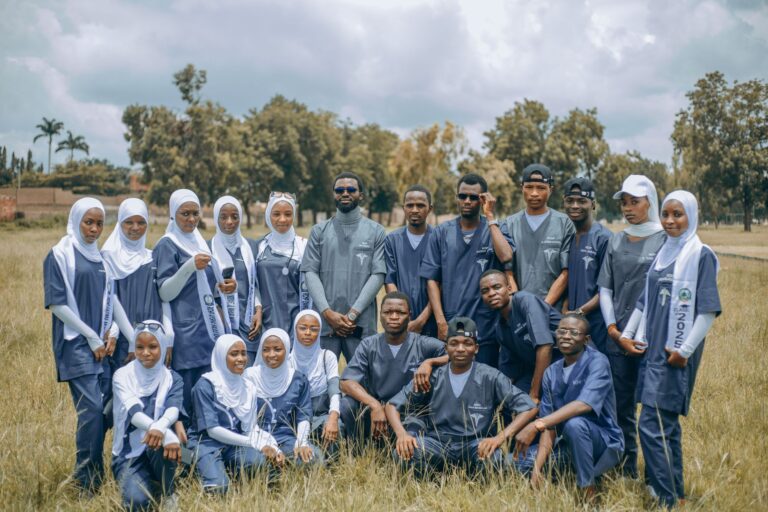
Study Medicine in Saudi Arabia as a Non-Saudi
A 2026 guide to studying medicine in Saudi Arabia as a non-Saudi: admission requirements, universities, costs,…
-

Study Nursing in Saudi Arabia
How to study nursing in Saudi Arabia as an international student: universities, application requirements, funding when…
-
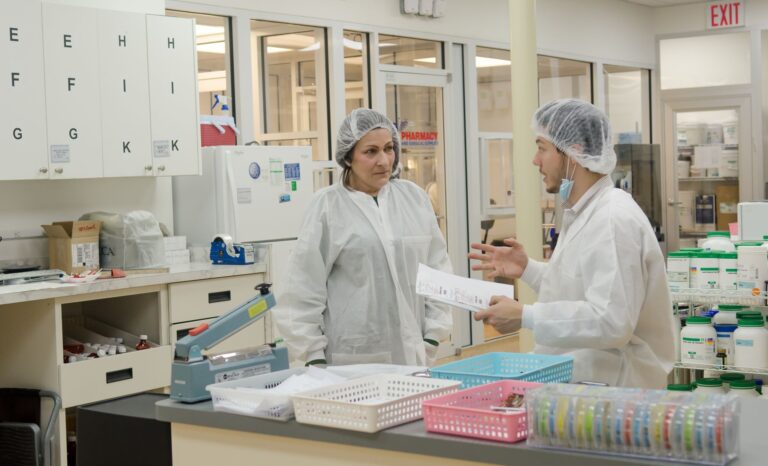
Study Pharmacy in Saudi Arabia
A guide to studying pharmacy in Saudi Arabia as an international student: universities, admission requirements, why…
-

Studying Sharia and Islamic Studies in Saudi Arabia
A 2026 guide to studying Sharia and Islamic studies in Saudi Arabia: leading universities, admission requirements,…
Universities in Saudi Arabia
-

King Abdullah University of Science and Technology (KAUST): Admission, Fees and Scholarships for Non-Saudis
KAUST fellowship and admission for international students: graduate requirements, funding worth US$70,000 to US$80,000 a year,…
-

King Khalid University: Admission, Fees and Scholarships for Non-Saudis
King Khalid University admission requirements, published tuition fees in SAR and scholarship routes for non-Saudis, plus…
-

King Saud University: Admission, Fees and Scholarships for Non-Saudis
A guide to King Saud University admission for non-Saudis: requirements, majors, scholarship stipends, fees, application steps…
Scholarships in Saudi Arabia
-

Islamic University of Madinah Scholarship 1448 AH
Everything about the Islamic University of Madinah scholarship for 1448 AH: application dates, majors, full (external)…
-

KAUST Fellowship for Master’s and PhD Students
The KAUST Fellowship funds admitted master’s and PhD students with tuition, a monthly stipend, housing, health…
-

Partial and Paid Scholarships at Saudi Universities
Partial scholarships and paid places at Saudi public universities explained, using the Ministry of Education’s own…
Study in Saudi Arabia guides
-

Qudurat and Tahsili Tests for Non-Saudis: Official Guide
Who needs the Qudurat and Tahsili as a non-Saudi, how to register, prepare and use your…
-

Saudi Certificate Equivalency and Recognition in Your Country
A step-by-step guide to Saudi certificate equivalency and recognition in your country: the competent authority, documents,…
-
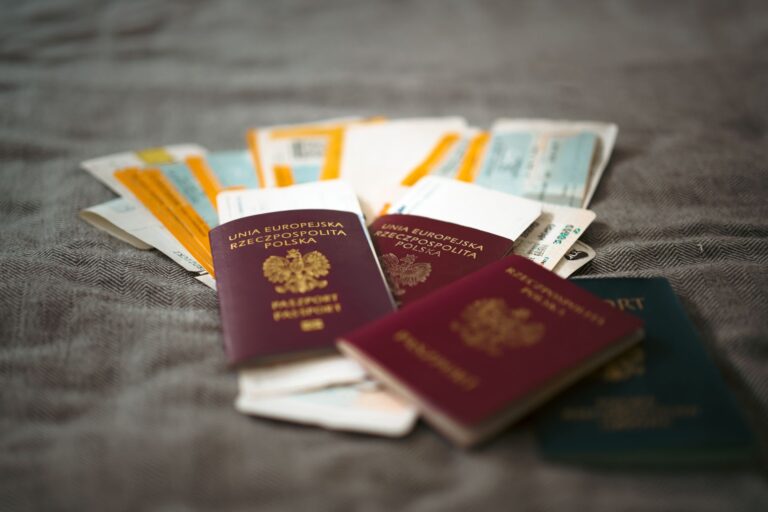
Saudi Student Visa for International Students
A step-by-step guide to the Saudi student visa in 2026: acceptance, the Study in Saudi platform,…
Thinking about studying in Spain too?
-
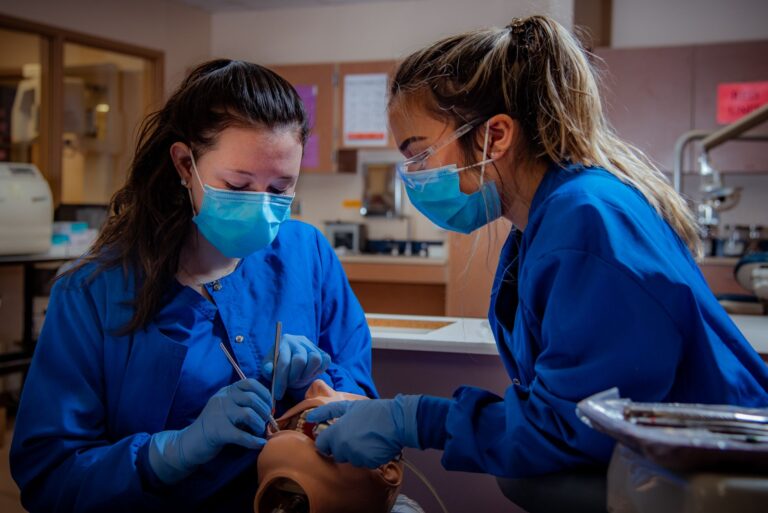
Study Dentistry in Spain
Everything you need to know about studying dentistry in Spain in 2026: admission requirements, language, universities,…
-

Study in Spain
Everything you need to know about studying in Spain in 2027: UNEDasiss admission, tuition costs by…
-
Best Universities in Spain for International Students
Discover the best universities in Spain for international students in 2026, with information on programmes, requirements,…