

If you are planning to study in Spain, understanding daily life there is a decisive step towards a successful and safe experience. Whether you are a new student arriving in Madrid or Barcelona, or looking for a well-rounded education abroad, this page presents the updated 2026 student life guides for Spain, written for international students to help you adapt easily to a new environment, from university enrolment to everyday life, work, safety and even Muslim practices.
🧮 Calculate your study cost in Spain in your own currency – official fees by region and university, housing and living costs (estimated) and scholarship eligibility in one minute: Study cost calculator
Daily life guide for students in Spain
Daily life in Spain differs from many other countries, especially in the daily schedule, working hours and meal times. In Spain the day starts later, and official working hours often resume after midday. The afternoon rest (siesta) is still observed in some regions, especially in small towns. Understanding this rhythm is the key to organising your time and avoiding stress caused by delays or clashing appointments.
- Getting up early (7-8 a.m.) is useful for making the most of your time to prepare for classes.
- Lunch is the main meal, and is often between 2 and 4 p.m.
- Dinner starts late, often between 9 and 11 p.m., which can be a challenge for students who want to balance study and social life.
- Shopping is best done early in the morning or late in the day, because shops close in the middle of the day.
If you want more detail on how to adapt to this rhythm, see the daily life guide for students in Spain, which explains every aspect of life, from shopping to restaurants, official opening hours and even how to deal with government staff.
Muslim student life in Spain
Spain is one of the more accepting European countries when it comes to religious diversity, and it offers a favourable environment for Muslim students. There are mosques in most major cities such as Madrid, Barcelona, Valencia and Granada, and Muslim student groups are organised at the larger universities. Some universities also provide prayer spaces and suitable times for Friday prayer.
- There are mosques and Islamic centres in major cities such as Madrid and Barcelona; look for the one closest to your home and university.
- Some universities may provide prayer spaces; ask your university administration.
- Some student associations organise religious and cultural events; check which associations are active at your university.
- Some Islamic restaurants offer halal products, and their services extend to smaller cities.
If you need help finding a mosque, halal food or a religious event, the guide to Muslim student life in Spain offers a comprehensive map of religious and social support, with a list of organisations and apps that help you live comfortably and with peace of mind.
Getting around Spain: transport options and costs
Getting around Spain is relatively easy, especially in big cities, which have well-developed urban transport networks. The metro, buses and local trains are the most common ways to travel. Some universities also offer student transport passes at a large discount.
| Type of transport | Monthly price (EUR) | Notes |
|---|---|---|
| Urban transport pass (two cities) | 40–60 EUR | Student discounts are offered in some cities |
| High-speed train (AVE) | 30–150 EUR | Depends on distance, for example Madrid to Barcelona |
| Intercity bus (ALSA, FlixBus) | 10–50 EUR | The cheapest option for travelling between smaller cities |
| Electric bike (or rental) | 5–10 EUR/day | Available in big cities such as Barcelona |
We recommend buying a monthly or weekly transport pass to save money, especially if you use public transport regularly. These passes are available at metro stations or through the official transport authority apps in each city. To learn more about registration, prices and services, go to the transport guide for Spain.
Safety and life in Spain: what you need to know
Spain is among the safest countries in Europe, but as a foreign student it is important to know how to protect yourself from common risks, such as bag theft, restaurant scams and online fraud.
- Bag and pocket theft is among the most common crimes in big cities, especially at metro stations and tourist sites.
- Do not show your valuables (such as phones or watches) in public places.
- Use a closed, tightly held bag when moving around.
- Keep an electronic copy of your passport and visa in a secure cloud.
- In an emergency, call 112 (emergency services).
If you want to know more about how to handle emergencies, or what to do if you lose your passport, the safety guide for students in Spain gives practical advice, a list of the bodies you can contact, and tips for dealing with the authorities.
First-month checklist in Spain
The first month after you arrive in Spain is the most important for getting off to the right start. It is a chance to complete legal procedures, look for housing and settle into university life.
- Check your student visa and make sure it is valid.
- Go to the police registration office (Comisaría) to apply for your TIE (Tarjeta de Identidad de Extranjero).
- Enrol at the university and get your student card.
- Book housing (an apartment, a university hall of residence, or a monthly rental).
- Get health insurance (approved in Spain).
- Open a bank account (for example with BBVA, Santander or CaixaBank).
- Register with the Social Security system (Seguridad Social) if you are working.
- Prepare for language exams (if you are studying in Spanish).
To make sure you do not miss any step, see the first-month checklist in Spain, which provides a detailed timeline, templates for the registration steps and tips from former students.
Frequently asked questions
Can I work while studying in Spain?
Yes, international students are allowed to work while studying in Spain without needing a separate work visa, provided the work is compatible with the studies, does not exceed 30 hours a week, and is limited to the autonomous community where you live and its neighbouring areas (RD 1155/2024, article 57). Work in curricular internships (prácticas curriculares) is also allowed without any additional permission.
What are the monthly living costs in Spain?
Living costs vary by city. In big cities such as Madrid and Barcelona, monthly costs are usually higher than in smaller cities, and they vary a lot with housing and lifestyle; so draw up an estimated budget for your city after looking at actual housing prices. Costs include housing, food, transport and health insurance.
Can I renew my student visa in Spain?
The study residence permit can be renewed under certain conditions, including being enrolled in an approved study programme, providing proof of enrolment, achieving the required academic progress, and proving sufficient financial resources (monthly IPREM of €600 in 2026). Submit your application within the legal deadline set out in RD 1155/2024 and do not wait until the last moment.
Studying in Spain is a unique opportunity to broaden your academic and cultural horizons. With the updated 2026 student life guides for Spain, every step of your journey becomes clearer, from university enrolment to everyday living and integrating into society. Explore all the guides linked from this page, take your steps with confidence, and begin your journey in Spain safely.
Universities in Spain
-

Polytechnic University of Valencia – Study, Admission and Fees
Learn about Polytechnic University of Valencia (UPV) admission requirements for international students, actual tuition fees, language…
-
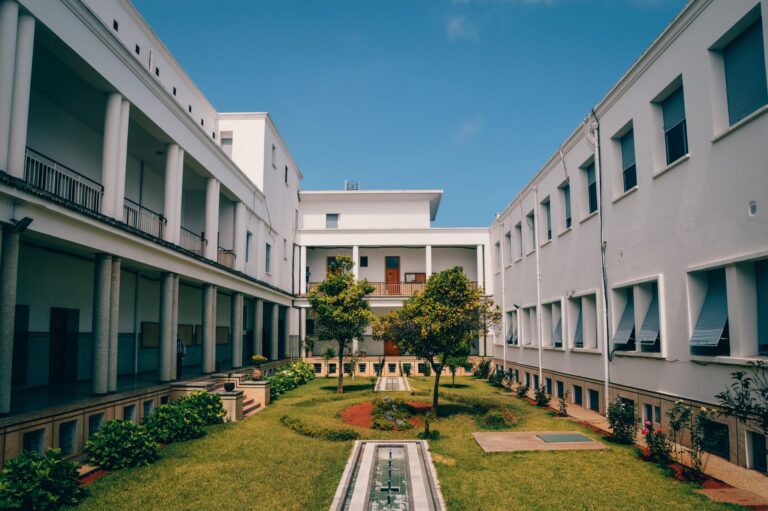
Pompeu Fabra University (UPF): Study, Admission and Fees
Everything you need to know about Pompeu Fabra University in Barcelona: admission requirements for international students,…
-

Ramon Llull University (Esade) – Study, Admission and Fees
Admission, first-year tuition fees, language of instruction, housing and scholarships at Ramon Llull University (Esade) in…
Scholarships in Spain
-

Erasmus Mundus Scholarship in Spain
Discover the Erasmus Mundus scholarship in Spain: €1,400 a month for joint master’s programmes across countries.…
-

Fundación Carolina Scholarship
Details of the 2026 Fundación Carolina scholarship for Latin American students: eligibility, funding, visa and how…
-

Master’s Scholarships in Spain
Discover master’s scholarships in Spain for 2026 through Erasmus Mundus and university schemes: requirements, funding, application…
Thinking about studying in Serbia too?
-
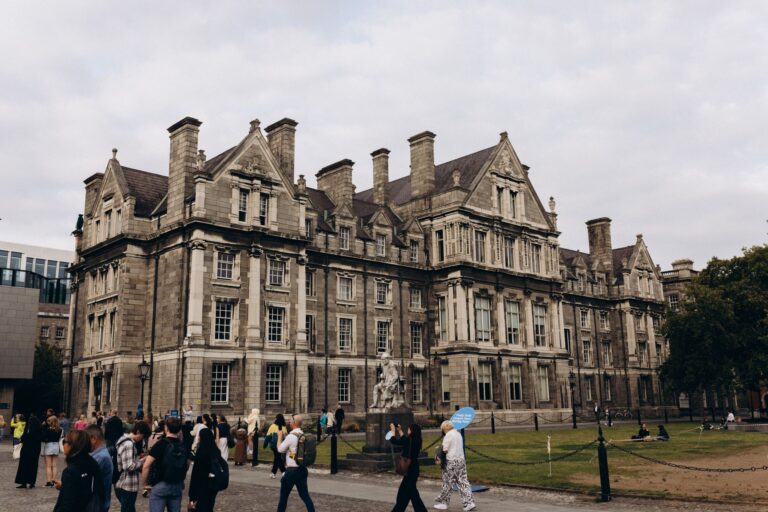
Study in Serbia Guide
A complete 2026 guide to studying in Serbia for international students: admission, student visa, costs, housing,…
-

Study in Serbia
Thinking about studying in Serbia in 2026? This guide covers tuition and living costs, top universities,…
-

Study in Spain or Serbia? Comparison 2026
Thinking of studying in Spain or Serbia? Compare 2026 tuition fees, language, work rules, residence after…