

Tuition fees in Saudi universities for non-Saudis depend on the type of university (public or private), the major and the type of scholarship the student receives. In 2026, some public universities offer scholarship seats that cover tuition in full, while private universities charge fees set by each university’s own policy. Eligibility conditions depend on the sponsoring body, so check each university’s official website before you apply.
🧮 Calculate your study cost in Saudi Arabia in your own currency – official fees, housing and living costs (estimated) and scholarship eligibility in one minute: Study cost calculator
Free scholarship seats at Saudi public universities
The Saudi Ministry of Education offers scholarship seats to non-Saudis at public universities, where tuition is fully covered at no cost to the student, according to Ministry policy.
Applicants from outside the Kingdom apply through the Study in Saudi platform, and the seats are managed by the Ministry of Education and the participating universities. Seats and rules are announced each year on the official website.
- The scholarship covers tuition fees in full.
- Seats are offered at bachelor’s, master’s and PhD levels.
- They are offered at public universities only.
- Eligibility conditions differ by university and program.
For full details, visit Ministry of Education: scholarships at public universities.
Do you want to study in Saudi Arabia?
Contact us for a free consultation
Tuition fees at private universities
Private universities in Saudi Arabia charge tuition fees to non-Saudi students, and the fees differ by university, major and level of study (bachelor’s, master’s, PhD).
Fees vary from one university to another and may be higher in some majors such as medicine or engineering. Each university sets its own fees, and they are usually announced on the university’s official website or during the application process.
Short answer: studying at public universities on an external scholarship is free according to what the universities we reviewed state, with a monthly stipend of SAR 1,000 (about US$267) for scientific departments and SAR 850 (about US$227) for arts departments at several universities, while at private universities the published figures range from SAR 1,600 (about US$427) per credit hour to SAR 94,000 (about US$25,067) per year. The tables below contain only figures published on official websites.
Public universities: scholarship, stipend and paid programs
| University | Study on a scholarship | Monthly stipend (Saudi riyals unless stated otherwise) | Fee-paying programs |
|---|---|---|---|
| King Saud University | The scholarship seat is free; fee-paying programs are paid and carry no stipend | 1,000 for scientific departments, 850 for arts, 900 for postgraduate students (SAR 10 is deducted for the student fund), and it includes external scholarship students | Master’s in Islamic Studies (Fiqh and Usul al-Fiqh): SAR 70,000 for the program, excluding tax |
| King Abdulaziz University | A fully funded seat for the external scholarship | The scholarship page mentions a monthly stipend with no published amount | We could not verify fees for fee-paying programs |
| KAUST | The KAUST Fellowship covers tuition in full | US$20,000 per year for master’s and US$25,000–30,000 per year for PhD | The value of the tuition waived is up to US$35,000 per year |
| King Fahd University of Petroleum and Minerals (KFUPM) | Fee exemption for international bachelor’s students from outside the Kingdom; PhD and some master’s programs are fully funded | Monthly support is mentioned with no published amount | Self-funded non-research master’s: US$2,000 registration per semester + US$135 per credit hour; research master’s and PhD: US$2,000 in the first semester then US$1,000; in a table in riyals for non-Saudis: SAR 7,500 per semester until the first thesis semester then SAR 3,750, and SAR 500 per credit hour |
| Princess Nourah bint Abdulrahman University | We did not verify external scholarship fees | 1,000 for health, science, computing, design, business, engineering and sport sciences, and 850 for humanities, languages, education, law and applied fields (SAR 10 is deducted) | Master of Science in Business Administration (English, for women): SAR 166,000 excluding tax, with 15% added for non-Saudi women |
| Imam Abdulrahman Bin Faisal University | The admission portal says non-Saudis study for a fee; the amounts are not published | 1,000 for scientific departments, 850 for theoretical ones (SAR 10 is deducted), and it includes scholarship students from abroad | We found no official amounts |
| King Khalid University | Fee-paying programs accept non-Saudis without a scholarship at the same fees as Saudis; non-fee programs require an official scholarship | We found no official amount | Bachelor’s: SAR 1,350 per credit hour (science, engineering and computing colleges), 950 (business and humanities colleges), 1,550 (health colleges), medicine SAR 1,550 for the common first year then 1,950, dentistry 1,950; master’s SAR 80,000 or 60,000; PhD SAR 120,000 or 90,000; higher diploma SAR 25,000 or 20,000; language preparation SAR 5,000 per semester |
| Taibah University | We found no official text | 1,000 for scientific majors and 850 for arts per month, stated on the general student services page without clarifying whether it applies to external scholarships | Administrative fee for international students before the university ID is issued: SAR 250 excluding tax |
| Qassim University | We found no official text | We found no official amount | Fee-paying postgraduate programs for non-Saudi candidates for internal scholarships: from SAR 40,000 for a master’s and from SAR 60,000 for a PhD, and SAR 5,000 per additional semester |
| Umm Al-Qura University | External scholarships include a seat, a monthly stipend and a settling-in allowance; amounts are not published | The stipend amount is not published | We found no official amounts |
| Islamic University of Madinah | A free seat and a monthly stipend according to the international scholarship guide | The stipend amount is not published | We found no official amounts |
| Imam Mohammad Ibn Saud Islamic University | Scholarships are partial, free or fee-paying according to the institution’s regulations | We found no official amount | We found no official amounts |
Sources for the public universities table
- King Saud University – monthly stipend
- King Saud University – Master’s in Islamic Studies program
- King Abdulaziz University – international student scholarships
- KAUST – fees and funding
- King Fahd University of Petroleum and Minerals – fees and scholarships
- King Fahd University of Petroleum and Minerals – graduate fee schedule
- Princess Nourah bint Abdulrahman University – stipends
- Princess Nourah bint Abdulrahman University – graduate programs
- Imam Abdulrahman Bin Faisal University – stipends
- King Khalid University – tuition fees for international students
- Taibah University – student services
- Taibah University – international student admissions
- Qassim University – graduate admission instructions
- Umm Al-Qura University – external scholarship benefits
- Islamic University of Madinah – international scholarship guide
- Imam Mohammad Ibn Saud Islamic University – scholarship regulation
Where there is no official figure we say so rather than guess: many universities do not publish their stipends or program fees for non-Saudis, and some list benefits without an amount. We do not use figures from unofficial websites. Universities also often specify that the stipend is for students on an official scholarship, not for self-funded students.
Private universities: published prices
| University | Program | Fees (Saudi riyals) | Unit |
|---|---|---|---|
| Alfaisal University | Preparatory year | 60,000 | per year |
| Alfaisal University | Bachelor’s (all majors including medicine) | 94,000 | per year |
| Alfaisal University | Bachelor’s: 11 credit hours or fewer | 3,917 | per credit hour |
| Alfaisal University | Master’s | 200,000 | full program |
| Prince Sultan University | Bachelor’s (admitted from 2025) | 3,000 | per credit hour; minimum 12 hours per semester = 36,000 |
| Prince Sultan University | Bachelor’s (admitted 2022–2024) | 2,200 | per credit hour |
| Prince Sultan University | Master’s (15% additional tax for international students) | 5,000 | per credit hour |
| Effat University | General education program (tax included) | 3,019 | per credit hour |
| Effat University | College of Business (tax included) | 3,091 | per credit hour |
| Effat University | Engineering, architecture and design (tax included) | 3,709 | per credit hour |
| Effat University | Master’s in clinical psychology and museum studies (tax included) | 3,976 | per credit hour |
| Dar Al-Hekma University | Most bachelor’s programs (15% tax for foreigners) | 2,700 | per credit hour |
| Dar Al-Hekma University | Bachelor of Law: total for the degree including tax | 422,280 | full degree |
| Dar Al-Hekma University | MBA: total including tax | 167,670 | full program |
| Al Yamamah University | College of Business (Riyadh): academic program | 37,000 | per semester |
| Al Yamamah University | College of Business (Riyadh): preparatory year | 32,000 | per semester |
| Al Yamamah University | MBA | 3,600 | per credit hour (published total 153,900) |
| University of Business and Technology (UBT) | College of Business Administration and Law | 1,600 | per credit hour |
| University of Business and Technology (UBT) | Jeddah College of Engineering (all majors) | 2,300 | per credit hour |
| University of Business and Technology (UBT) | MBA | 2,917 | per credit hour (total 140,016) |
Sources for the private universities table
- Alfaisal University – official fee catalog
- Prince Sultan University – bachelor’s fees
- Prince Sultan University – graduate application
- Effat University – fees for overseas students
- Effat University – bachelor’s fees
- Effat University – graduate fees
- Dar Al-Hekma University – bachelor’s fees
- Dar Al-Hekma University – master’s fees
- Al Yamamah University – tuition fees
- University of Business and Technology – fee schedule
For full details and a comparison of private universities, see the private university fees in Saudi Arabia page. Some universities add 15% value-added tax for non-Saudis, and some figures already include it; read each university’s note.
These figures are as published by the universities in their official sources and may change from year to year; confirm the current amount before paying or applying.
How to use these figures
Start by deciding the type of seat: a scholarship seat, a fee-paying seat at a public university, or a seat at a private university. In the first you pay no tuition and receive a stipend; in the second you pay fees and no stipend is paid, as stated at King Saud University; in the third you pay a price set by the university. Then compare options in one unit, because some figures are per credit hour, some per semester and some for the whole program.
Example: at King Khalid University master’s fees are SAR 80,000 or 60,000 for the program depending on the college, at King Saud University SAR 70,000 for the paid Master’s in Islamic Studies, and at Qassim University they start at SAR 40,000. These are fee-paying programs at public universities, not a comparison with a free scholarship.
Tips for international students
- Apply for external scholarships first before considering a fee-paying seat, because the cost difference is large.
- Read the university’s stipend page: some explicitly mention external scholarship students and some do not.
- Ask a private university in writing for the final amount after tax, application fees and insurance.
- Do not rely on figures from forums or intermediary websites, because universities revise their fees.
See the best universities in Saudi Arabia to compare options and choose the university that best fits your major and budget.
Eligibility conditions for a scholarship
Scholarships at Saudi universities are not given to non-Saudis automatically; they have specific conditions that differ by university and program. Known conditions from the Study in Saudi rules include: age 17 to 25 for bachelor’s and Arabic institutes, up to 30 for a master’s and up to 35 for a PhD; health and medical majors are excluded from scholarship applications. Other conditions vary:
- A strong academic average (as required by the sponsoring body).
- Language level for the program (Arabic or English, depending on the program).
- Academic documents as requested by the university.
- Other documents the university asks for on its application page.
- Meeting each university’s own program requirements.
These conditions vary by university, so check each university’s official website before applying.
The difference between public and private universities in fees
Public universities are the lowest-cost option for non-Saudis, especially when a scholarship covers fees in full. Private universities set their own fees and are more expensive, but they offer particular programs or internationally accredited degrees.
If you want a high-quality education at low cost, public universities with a scholarship are the best choice. If you want a particular major not available at public universities, a private university may suit you despite the higher cost.
To compare options, see the cost of studying in Saudi Arabia and the cost analysis by major and university.
Frequently asked questions
Can I study in Saudi Arabia without paying tuition fees?
Yes. You can study at Saudi public universities without paying tuition if you obtain a scholarship seat offered by the Ministry of Education or the university that covers tuition in full.
What is the difference between fees at public and private universities?
Public universities offer scholarship seats that cover tuition for non-Saudis, while private universities charge fees that vary by major and university.
Are scholarships offered for all majors?
No. Scholarships are not offered for all majors. Health and medical majors are excluded from scholarship applications, and each university lists the programs open for scholarships. Conditions differ by university and program.
Can I apply for a scholarship after starting my studies?
In most cases you apply during the admission cycle, not after studying has begun. Check the specific policy of your university.
Which universities offer scholarships to non-Saudis?
Around 27 Saudi public universities offer scholarships to non-Saudis through the Study in Saudi platform, including King Saud University and Princess Nourah bint Abdulrahman University. Conditions differ by university, so check each university’s official website.
Do you want to study in Saudi Arabia?
Contact us for a free consultation
Tuition fees in Saudi universities for non-Saudis in 2026 can be very reasonable compared with other countries, especially with scholarship seats at public universities. Costs depend on the university, the major and the type of seat, so research in advance and compare your options carefully. If you want a strong education at low cost, studying in Saudi Arabia can be a strategic choice, with government support and opportunities for international students.
Official sources
More cost guides
-

Cost of Living for Students in Saudi Arabia
A practical guide to the cost of living for students in Saudi Arabia, with city-by-city notes,…
-
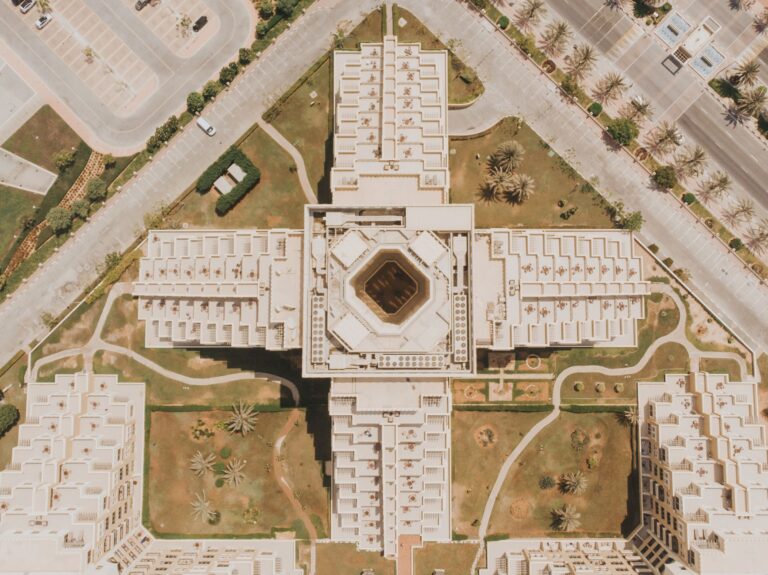
Private University Fees in Saudi Arabia
Private university fees in Saudi Arabia for 2026, taken from official university websites. Compare tuition by…
-

Saudi Scholarship Stipend and Benefits for International Students
What the Saudi scholarship stipend and benefits include for international students, from the Ministry of Education’s…
-

Student Housing in Saudi Arabia for International Students
How student housing in Saudi Arabia works for international students: it is a Ministry of Education…
Universities in Saudi Arabia
-

Qassim University: Admission, Fees and Scholarships for Non-Saudis
Qassim University admission for non-Saudis: requirements, official postgraduate fees, internal and external scholarships and how to…
-

Taibah University: Admission, Fees and Scholarships for Non-Saudis
Taibah University admission for international students: requirements, the published stipend and administrative fee, scholarship routes and…
-

Umm Al-Qura University: Admission, Fees and Scholarships for Non-Saudis
Umm Al-Qura University admission for non-Saudis: requirements, programs, external and internal scholarships, what the stipend covers…
Scholarships in Saudi Arabia
-

Internal Scholarships for Residents in Saudi Arabia
Internal scholarships let non-Saudis who legally live in Saudi Arabia study at public universities. This guide…
-

Islamic University of Madinah Scholarship 1448 AH
Everything about the Islamic University of Madinah scholarship for 1448 AH: application dates, majors, full (external)…
-

KAUST Fellowship for Master’s and PhD Students
The KAUST Fellowship funds admitted master’s and PhD students with tuition, a monthly stipend, housing, health…
Study in Saudi Arabia guides
-
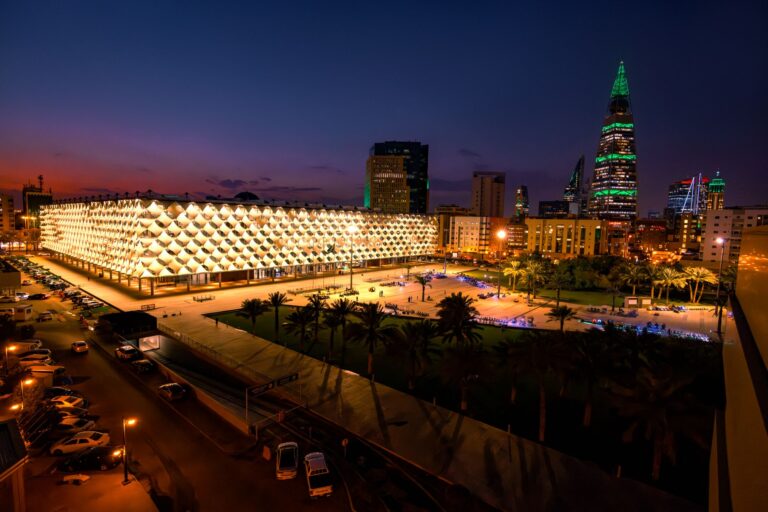
Saudi University Admission Requirements for Non-Saudis
A step-by-step guide to Saudi university admission requirements for international students in 2026, covering registration, documents,…
-

Working in Saudi Arabia After Graduation as a Non-Saudi
A step-by-step guide for non-Saudis on working in Saudi Arabia after graduation: employer sponsorship, work permits,…
-

Working While Studying in Saudi Arabia
What international students should check before working while studying in Saudi Arabia: residence status, university approval…
Thinking about studying in Spain too?
-
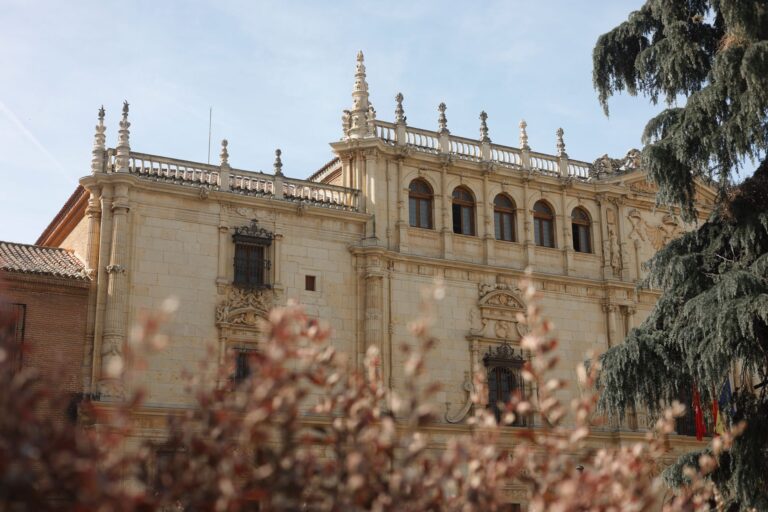
Study in Spain
Everything you need to know about studying in Spain in 2027: UNEDasiss admission, tuition costs by…
-
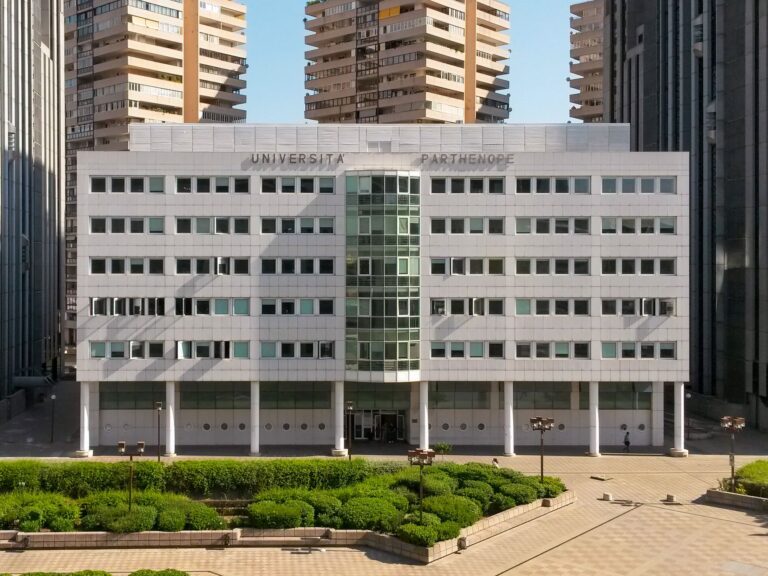
Best Universities in Spain for International Students
Discover the best universities in Spain for international students in 2026, with information on programmes, requirements,…