

Saudi university admission requirements for international (non-Saudi) students are among the most formal and structured in the region, especially as more students from around the world want to study in the Kingdom. Whether you are applying from abroad or already live in Saudi Arabia and plan to join a public university, understanding the official steps one by one is the key to success. In this complete guide we explain everything you need to know about admission to Saudi universities for non-Saudis in 2026, from registration to receiving your study visa.
🧮 Calculate your study cost in Saudi Arabia in your own currency – official fees, housing and living costs (estimated) and scholarship eligibility in one minute: Study cost calculator
Step 1: Check the general eligibility requirements for admission to Saudi universities
Admission requirements for non-Saudis at Saudi universities vary by level of study (bachelor’s, master’s, PhD), but some general criteria apply to everyone. They cover age, gender, health, and any previous scholarship.
- Minimum age: 17 for bachelor’s programs and Arabic-institute programs; the minimum for postgraduate studies depends on the university’s rules.
- Maximum age: 25 for bachelor’s programs, 30 for master’s programs, and 35 for PhD programs.
- Health: you must pass the medical examination set by the regulations and the university, and provide a medical report showing you are free from infectious diseases.
- Previous scholarship: you cannot receive a scholarship if you have already obtained another scholarship from an educational institution in Saudi Arabia.
- Government approval: some countries require approval from the student’s own government before the student can study in Saudi Arabia.
- Female students: female applicants must have a mahram (a close male relative) with them, according to the regulations. The mahram must be covered by a scholarship, hold a regular residence permit, or be registered with an employer who needs his services.
Step 2: Choose the right university and program
Saudi Arabia has 27 public universities offering programs in Arabic and English, and some of them appear in global rankings. Admission requirements vary by university and program, so choose an option that fits your academic and professional background.
You can browse the best universities in Saudi Arabia to compare options by major, location, costs, and type of program.
Fields of study excluded from scholarships
Health and medical specialties are excluded from scholarship applications for non-Saudis, such as:
- Human medicine
- Veterinary medicine
- Pharmacy
- Biomedical engineering
- Nursing
- Other health sciences
Health and medical specialties are limited to Saudi students at public universities, so international students cannot apply for them, whether through an internal or an external scholarship (Ministry of Education and university admission rules).
Step 3: Register through the official platform or the embassy
Registering through the studyinsaudi.sa platform is an official and reliable way to apply to Saudi universities as a non-Saudi. In some cases you may be asked to apply directly on the university’s website or through the Saudi embassy or Cultural Mission in your country.
- Registration through studyinsaudi.sa: the official Study in Saudi platform of the Ministry of Education, where you enter your details, upload documents, and choose from the available majors.
- Registration through the university: some universities accept applications directly on their own websites, especially for postgraduate programs.
- Registration through the embassy: you can also apply through the Saudi Cultural Mission or embassy in your country, where available.
Step 4: Prepare the required documents
Required documents vary by university and level of study, but there is a core set you should prepare in advance:
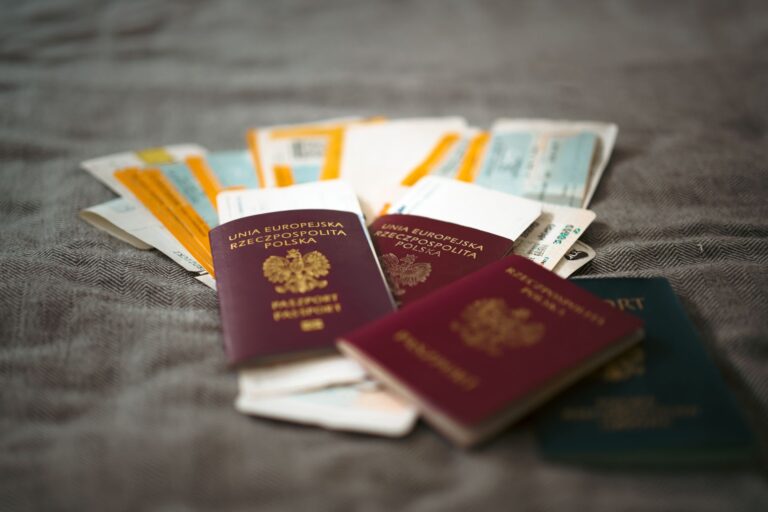
- A copy of a valid passport.
- Your high school certificate or equivalent (with a certified translation if the university requires one).
- An English-language certificate (such as IELTS or TOEFL) if the program is taught in English and the university requires it.
- The degree certificate from your previous university (for master’s and PhD programs).
- A recommendation letter, if the university requires one (for postgraduate programs).
- An up-to-date CV.
- A recent passport-style photo.
- A medical report from an approved medical center.
- A police clearance certificate (certificate of no criminal record).
- Official approval from your government (if required).
Step 5: Apply for scholarships
27 public universities in Saudi Arabia offer scholarships to non-Saudis. They fall into two main types: internal and external.
Types of scholarships at Saudi universities
Admission requirements for non-Saudis at Saudi universities vary with the type of scholarship, which includes:
| Scholarship type | Funding | Eligibility | Where to apply |
|---|---|---|---|
| Internal scholarship (for non-Saudis living in Saudi Arabia) | Set by the university (full, partial, or paid) | Legal residents of the Kingdom; health and medical majors are excluded | studyinsaudi.sa or the university website |
| External scholarship (for applicants from outside Saudi Arabia) | Set by the university (full, partial, or paid) | Non-Saudi applicants from abroad; health and medical majors are excluded | studyinsaudi.sa, the university, or the Saudi Cultural Mission or embassy |
Scholarships come at different levels:
- Full scholarship: tuition-free, with the full set of benefits (such as healthcare, housing, an arrival allowance, and annual tickets, according to the rules).
- Partial scholarship: covers only part of the benefits, such as a seat only, or a seat and housing.
- Seat-only scholarship: gives you a place in the program with no additional financial support.
You can find details of the available scholarships in our guide to scholarships in Saudi Arabia, which lists all the programs by major and university.
Step 6: Receive your acceptance and apply for the study visa
After you pass all evaluation stages, the university sends you an official acceptance letter. At this point you apply for the study visa through the university, which issues an official letter that is used for the visa application.
A residence permit (iqama) is free for scholarship students in Saudi Arabia: after you arrive, the university issues an official letter that is used to obtain your iqama, with no fees.
Step 7: Get ready to travel and arrive in the Kingdom
After you receive your visa, prepare for travel. This includes:
- Booking your flight as instructed by the university.
- Confirming your health coverage for the study period.
- Receiving an arrival allowance (according to the university’s rules).
- Preparing for university housing or private accommodation.
Scholarship students receive benefits that include:
- Healthcare.
- An arrival allowance.
- An annual flight ticket (according to the rules).
- University housing (where available).
Frequently asked questions
Can I apply to a Saudi university without a scholarship?
Yes, there are paid options, but the cost of study varies by university and major and can be high. We recommend researching all the funding options available to you.
Which fields are not eligible for scholarships in Saudi Arabia?
Health and medical specialties, such as medicine, veterinary medicine, pharmacy, and nursing, are excluded from scholarships for non-Saudis, whatever the type of scholarship.
Is the study visa issued immediately after acceptance?
No. After acceptance you must apply for the visa through the university, which sends you an official letter used to request the visa from the Saudi embassy or consulate in your country.
Do female students need a mahram?
Yes. According to the regulations, a female applicant must have a mahram (a close male relative) with her. The mahram must be covered by a scholarship, hold a regular residence permit, or be registered with an employer who needs his services.
Can I work while studying in Saudi Arabia?
Work rules for international students depend on your residence status and university approval; confirm with your university and the official authorities before taking any job.
Admission to Saudi universities for non-Saudis in 2026 is an organised process built on clear criteria, but it takes advance planning and strict compliance with the official procedures. By following these steps carefully, you can make your plan to study in Saudi Arabia a reality. Be sure to read our guide to studying in Saudi Arabia to explore more about majors, universities, and scholarships.
Ministry of Education: Scholarships in public universities
Official sources
More guides you may need
-

Documents Required to Study in Saudi Arabia
Documents required to study in Saudi Arabia in 2026: certificates, police clearance, medical report and scholarship…
-

How to Study in Saudi Arabia: Step by Step
A practical 10-step guide to studying in Saudi Arabia in 2026: admission requirements, the Study in…
-

Qudurat and Tahsili Tests for Non-Saudis: Official Guide
Who needs the Qudurat and Tahsili as a non-Saudi, how to register, prepare and use your…
-

Saudi Certificate Equivalency and Recognition in Your Country
A step-by-step guide to Saudi certificate equivalency and recognition in your country: the competent authority, documents,…
-
Saudi Student Visa for International Students
A step-by-step guide to the Saudi student visa in 2026: acceptance, the Study in Saudi platform,…
-

Working in Saudi Arabia After Graduation as a Non-Saudi
A step-by-step guide for non-Saudis on working in Saudi Arabia after graduation: employer sponsorship, work permits,…
Universities in Saudi Arabia
-

King Abdullah University of Science and Technology (KAUST): Admission, Fees and Scholarships for Non-Saudis
KAUST fellowship and admission for international students: graduate requirements, funding worth US$70,000 to US$80,000 a year,…
-

King Khalid University: Admission, Fees and Scholarships for Non-Saudis
King Khalid University admission requirements, published tuition fees in SAR and scholarship routes for non-Saudis, plus…
-

King Saud University: Admission, Fees and Scholarships for Non-Saudis
A guide to King Saud University admission for non-Saudis: requirements, majors, scholarship stipends, fees, application steps…
Scholarships in Saudi Arabia
-

Saudi Scholarships for Women: Mahram Rule and Universities
What the Ministry of Education’s mahram condition says for women on Saudi scholarships, which mahram arrangements…
-

Study in Saudi Acceptance Results: When and How to Check
When Study in Saudi acceptance results appear in 2026, how to check your application status on…
-

Study in Saudi Platform: Registration and Scholarship Application
A step-by-step guide to registering on the Study in Saudi platform and applying for a Saudi…
Thinking about studying in Spain too?
-

Study in Spain
Everything you need to know about studying in Spain in 2027: UNEDasiss admission, tuition costs by…
-

Best Universities in Spain for International Students
Discover the best universities in Spain for international students in 2026, with information on programmes, requirements,…