

The University of Barcelona (Universitat de Barcelona) is one of the most prominent public universities in Spain, a large, multidisciplinary research institution in Barcelona. If you are an international student thinking of studying in Spain, the University of Barcelona may be a suitable choice thanks to the diversity of its subjects, but you must check the fees that apply to non-resident foreigners from outside the European Union. In this complete guide we review everything about studying at the University of Barcelona for international students, from admission requirements to tuition fees, ways to find scholarships, and visa and residence requirements in 2026.
🧮 Calculate your study cost in Spain in your own currency – official fees by region and university, housing and living costs (estimated) and scholarship eligibility in one minute: Study cost calculator
University of Barcelona admission requirements for international students
Admission requirements at the University of Barcelona vary with the education system in the student’s country, but they usually require a secondary qualification recognised in Spain, in addition to completing the academic conversion procedures (homologation). Students from countries outside the European exchange systems must homologate their secondary school certificate to the level of the Spanish Bachillerato.
The first step is to request homologation (homologación) of the secondary certificate to the Spanish Bachillerato from the Ministry of Education, Vocational Training and Sports (Ministerio de Educación, FP y Deportes). The application fee is about 49.76 euros (form 790, code 079). After that, UNEDasiss (part of UNED) issues the accreditation certificate (acreditación) and organises the PCE tests, and it has its own fees published on its website. Not all universities accept UNEDasiss accreditation in every case, so confirm with the university before paying.
After obtaining homologation and UNEDasiss accreditation, you apply for bachelor’s places through university pre-registration (preinscripció universitària) on the university access portal of the Government of Catalonia (accesuniversitat.gencat.cat), not through UNEDasiss. UNEDasiss organises the Pruebas de Competencias Específicas (PCE) tests, which raise the admission mark in the subjects weighted for each degree; test locations and dates change from year to year, so check the UNEDasiss website.
Students from countries that do not apply educational exchange agreements can apply to undergraduate programmes, but they need homologation of the secondary certificate and UNEDasiss accreditation. The language requirement varies by programme, and we do not find a single B2 requirement for all programmes; see each programme’s page on the official website.
If you are looking for details on how to apply, see the application steps at Spanish universities, where you will find a detailed explanation of each registration step.
Tuition fees at the University of Barcelona 2026
The University of Barcelona is a public university in the region of Catalonia, where tuition fees are set under the regional system, not at state level. According to the latest decisions of the Catalan government, fees are calculated by the number of credits (ECTS) and are not fixed per programme.
The general public prices decree of the Government of Catalonia (Decret 125/2025 for 2025-26, and Decret 96/2026 for 2026-27) sets a price of 17.69 euros per credit for first enrolment in a bachelor’s degree at Catalan public universities. This is the general price for Europeans and residents, i.e. about 1,061.40 euros for 60 credits before administrative fees. A non-resident foreigner from outside the European Union is not automatically charged this price: the decree (Article 1.5 in the 2025-26 decree) allows the universities’ social councils to set a higher price for this group, up to a maximum of 100% of the cost, and a study residence permit does not count as residence (residencia).
Important: on its official prices page (2026-27), UB publishes master’s prices for non-resident foreigners from outside the European Union: 71 euros/credit for master’s degrees qualifying for regulated professions, and 82 euros/credit for other master’s degrees, and between 95 and 110 euros in specific master’s degrees. We did not find a separate bachelor’s price for this group on that page, so confirm directly with the university before assuming 17.69 euros.
Compare the actual fees for your category (non-resident from outside the European Union) and not only the general price, because the difference may be large.
| Type | Annual fees (2026) | Notes |
|---|---|---|
| EU students | 17.69 euros/ECTS | In line with regional pricing |
| Non-EU students | Special price set by the university (up to 100% of the cost) | For non-resident foreigners; UB master’s: 71–110 euros/ECTS; the bachelor’s price is not published on the page we reviewed |
| Postgraduate programmes (master’s) | 17.69–19.37 euros/ECTS (general price); 71–110 euros/ECTS for non-residents from outside the European Union | Varies by subject and university |
If you are looking for a comparison of study costs in Spain with other countries, see the cost of studying in Spain, where you will find a comparison table between public and private universities.
Language of study at the University of Barcelona
Programmes at the University of Barcelona are taught in Catalan and Spanish, with some programmes in English (especially in master’s degrees). The language of instruction varies from one programme to another and from one course to another, so check it on the official programme page.
If you want to join a programme in English, a recognised English certificate is usually required, and each programme sets the required level (such as IELTS or TOEFL); see the programme page. For study in Spanish or Catalan, ask the university about the language requirement for your programme, as we do not find a confirmed single requirement.
It is advisable to start learning Spanish before you travel, not only to make study easier but also to make daily interaction and integration into society easier. Language courses may be available for international students; see the university’s official website for details and cost.
Housing and accommodation in Barcelona
Barcelona is one of the relatively high-cost European cities, especially for housing. Apartment prices vary by location, size and type of housing (single, shared or university residence).
Approximate estimates not drawn from an official source (they change a lot; check current listings and the university’s housing services):
- Shared housing (shared apartment): 400–600 euros per month
- Single housing (separate apartment): 700–1,200 euros per month
- University residences (Residencias Universitarias): 300–500 euros per month (available in limited numbers)
It is advisable to apply for university housing early, because availability is limited, and students are asked to register through the university platform before the academic year starts.
In addition to housing, the student must arrange health insurance, which is a mandatory requirement for obtaining a study visa. You can take out private health insurance with a company authorised in Spain, and confirm with the Spanish consulate that your policy is accepted before buying.
Scholarships and financial support
The University of Barcelona offers scholarships to international students, but they are limited in number and depend on academic performance, financial situation and type of programme. We do not have a confirmed list of university scholarships dedicated to a specific nationality; see the official scholarships page on ub.edu.
The main scholarships available to international students:
- State and Catalan scholarships: these usually require Spanish or European nationality or a residence permit (NIE/TIE), and a study permit is not accepted; so they often do not apply to those entering with a study visa.
- University of Barcelona scholarships: see the official scholarships page; we do not guarantee that a scholarship exists for your category.
- Scholarships from governments of home countries or international bodies: each body has its own conditions.
To benefit from these scholarships, you must apply during the official application period and submit documents proving academic performance, financial situation and the reason for applying.
If you are looking for additional funding, see the best universities in Spain, where you will find information about scholarships available at other universities.
Visa and residence in Spain
To study at the University of Barcelona, the student must obtain a study visa of the type “Autorización de Estancia de Larga Duración por Estudios” (TIE), and the duration of the permit and its renewal are set by the competent authority according to the length of the programme; see the updated conditions with the consulate.
Basic visa requirements:
- An official admission letter from the University of Barcelona
- A passport valid for at least one year
- Proof of financial means: 600 euros per month (7,200 euros per year)
- Health insurance covering Spain
- A criminal record certificate (updated within 5 years)
- A medical certificate proving the absence of contagious diseases
- Authenticated official documents (apostille or international legalisation) with an official translation into Spanish
Visa applications are submitted through the Spanish consulate in your country. The consulate sets the visa fee, which may vary by country; check its official website. After approval, the student must register at the police office (Policía Nacional) within one month of entering Spain, to obtain the TIE card (Tarjeta de Identidad de Extranjero).
Important: under Article 57 of RD 1155/2024, a foreign student may work a maximum of 30 hours per week within the autonomous community where they study (and in neighbouring border localities), provided the work does not conflict with the studies. After graduation (EQF level 6 or higher), a 24-month residence permit is available for job searching, with no work allowed during this period.
Frequently asked questions
Can I enrol at the University of Barcelona without homologation?
For a bachelor’s degree: usually not, as homologation of the secondary school certificate by the Spanish Ministry of Education is required, followed by UNEDasiss accreditation (unless your education system is a European one or one covered by agreements). A master’s degree requires a university degree and does not require homologation of the secondary certificate, although an equivalence study of the university degree may be requested (its fee is 218.15 euros in the prices decree).
What is the cost of housing and living in Barcelona?
An approximate unofficial estimate: the monthly cost may start from around 800–1,200 euros or more depending on housing and lifestyle; calculate your budget on current market prices.
Does the University of Barcelona offer scholarships to international students?
Yes, the university offers limited scholarships to international students, but they depend on academic performance and financial situation. It is advisable to apply early and check the conditions on the official website.
Can I work while studying in Spain?
Yes, up to a maximum of 30 hours per week within the autonomous community where you study (Article 57 of RD 1155/2024), provided it does not conflict with your studies.
If you are thinking of joining the University of Barcelona, first check the price category that applies to you (non-resident from outside the European Union) and the official admission requirements for your programme, then compare universities before making a decision.
For updated information on the University of Barcelona – study, admission and fees in 2026, it is advisable to visit the official website: Universitat de Barcelona (official site).
Official sources
- Universitat de Barcelona (official site)
- UB – Preu de la matrícula 2026-2027
- DOGC – Decret 125/2025 (preus 2025-2026)
- Generalitat de Catalunya – Preus dels estudis universitaris
- Canal Universitats – Estudiant d’un sistema educatiu estranger
- Portal d’accés a la universitat (preinscripció)
- UNEDasiss
- BOE – Real Decreto 1155/2024
More universities to consider
-
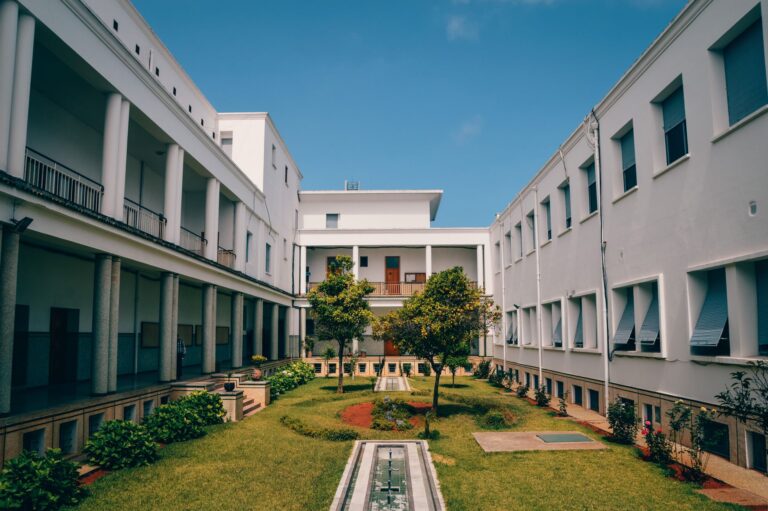
Polytechnic University of Madrid (UPM): Study, Admission and Fees
Admission requirements at the Polytechnic University of Madrid (UPM) for international students, tuition fees for non-EU…
-
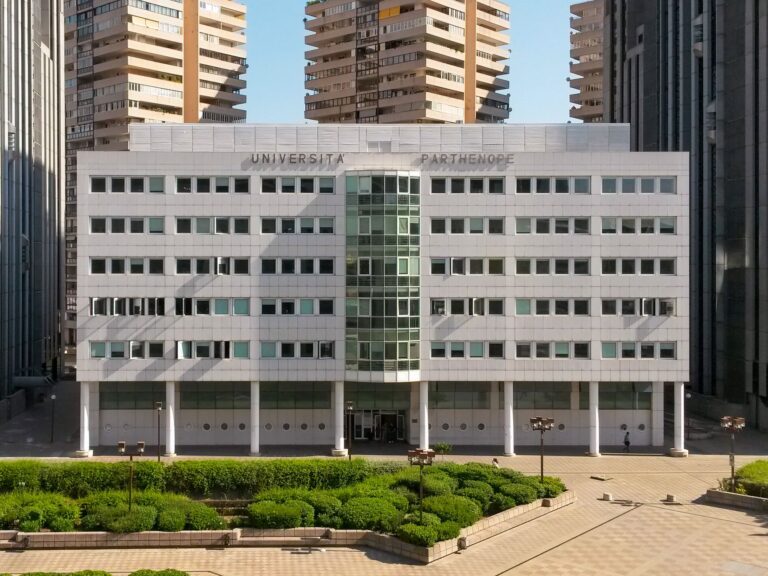
Polytechnic University of Valencia – Study, Admission and Fees
Learn about Polytechnic University of Valencia (UPV) admission requirements for international students, actual tuition fees, language…
-
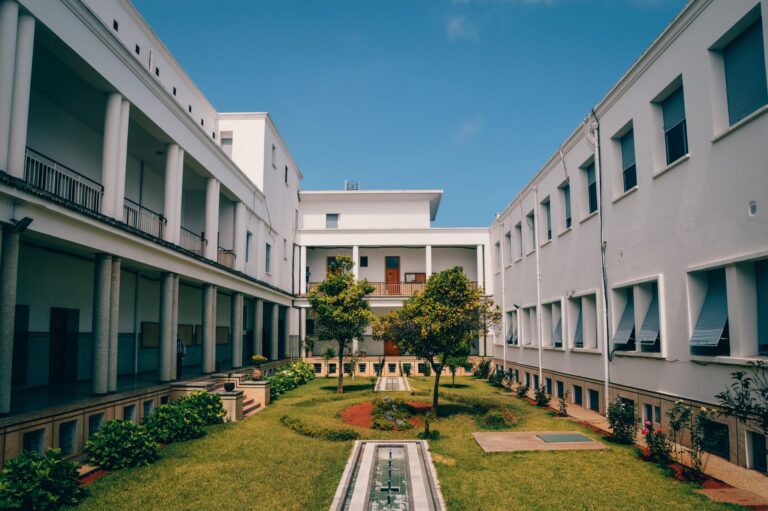
Pompeu Fabra University (UPF): Study, Admission and Fees
Everything you need to know about Pompeu Fabra University in Barcelona: admission requirements for international students,…
-
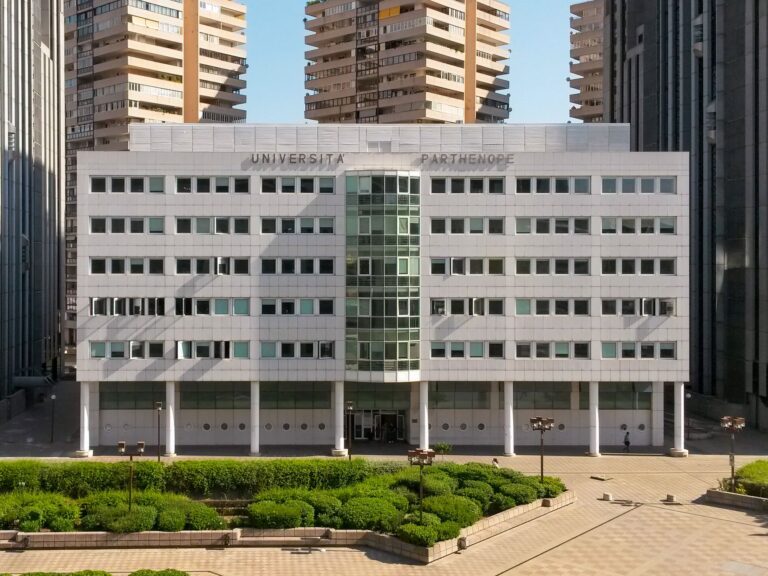
Ramon Llull University (Esade) – Study, Admission and Fees
Admission, first-year tuition fees, language of instruction, housing and scholarships at Ramon Llull University (Esade) in…
-
University of Deusto – Study, Admission and Fees
Everything you need to know about the University of Deusto in Bilbao: admission for international students,…
-
University of Granada – Study, Admission and Fees
Admission requirements, actual fees, language of study, housing and scholarships at the University of Granada for…
Scholarships in Spain
-
Can You Study in Spain for Free?
Can you study in Spain for free? The truth: public fees are low for residents, scholarships…
-

Erasmus Mundus Scholarship in Spain
Discover the Erasmus Mundus scholarship in Spain: €1,400 a month for joint master’s programmes across countries.…
-

Fundación Carolina Scholarship
Details of the 2026 Fundación Carolina scholarship for Latin American students: eligibility, funding, visa and how…
Study in Spain guides
-
Daily Life as an International Student in Spain
A realistic guide to daily life as an international student in Spain: settling in, housing, transport,…
-

First Month in Spain: Checklist for International Students
A practical first-month-in-Spain checklist for international students: registration, enrolment, health insurance, TIE, banking and settling into…
-

Is Spain Safe for International Students?
Practical answers on whether Spain is safe for international students, with realistic tips on daily life,…
Thinking about studying in Serbia too?
-

Study in Serbia
Thinking about studying in Serbia in 2026? This guide covers tuition and living costs, top universities,…
-

Study in Spain or Serbia? Comparison 2026
Thinking of studying in Spain or Serbia? Compare 2026 tuition fees, language, work rules, residence after…