

If you are a student from outside Saudi Arabia and want to earn a bachelor’s degree in the Kingdom, your chance is real. Public and private universities in Saudi Arabia allow non-Saudi students to apply to bachelor’s programmes, provided they meet the official conditions set by the Ministry of Education. Requirements vary by university, but there are general criteria that apply to all programmes, along with scholarship opportunities set aside for non-Saudis. In this complete guide, we explain everything you need to know about a bachelor’s degree in Saudi Arabia for non-Saudis, from admission requirements to the types of scholarships available, with the key procedures and dates for 2026.
🧮 Calculate your study cost in Saudi Arabia in your own currency – official fees, housing and living costs (estimated) and scholarship eligibility in one minute: Study cost calculator
Official Requirements for a Bachelor’s Degree in Saudi Arabia for Non-Saudis
The official requirements for a bachelor’s degree in Saudi Arabia for non-Saudis are set by the Ministry of Education and differ slightly by university and programme, but they follow a general framework covering age, academic and documentation requirements.
- Age: The student must be between 17 and 25 years old, according to Ministry of Education data for 2026.
- Secondary school certificate: You must hold an approved secondary school certificate from your home country, with a certified Arabic translation, authenticated by the Saudi embassy in the student’s country.
- Academic grade average: Some universities require specific secondary school averages, which vary by specialisation. For example, engineering or medicine programmes ask for higher averages than arts programmes.
- Language tests: You must prove proficiency in Arabic or English, depending on the programme. English-taught programmes usually ask for IELTS or TOEFL, while Arabic-taught programmes may require an Arabic proficiency test set by the university.
- Student visa: The student must obtain a student visa from the Ministry of Interior, which is issued after acceptance at an approved university.
Requirements and procedures vary by university, so check the official website of the university you want to apply to before starting.
Scholarships Available to Non-Saudi Students in Saudi Arabia
The Saudi Ministry of Education provides scholarships for non-Saudi students, with the aim of attracting academic and professional talent from abroad. These scholarships are offered at public universities and cover part or all of the tuition fees, and may include a living stipend.
The scholarship is awarded based on academic performance, participation in activities and the ability to make a community impact. The Ministry of Education announces the opening of applications for these scholarships every year, and the dates are published on its official website.
- Type of scholarship: full or partial scholarships.
- Funding: covers tuition fees and may include a monthly stipend for the student.
- Conditions: outstanding academic performance, the required language level and a motivation letter.
- Deadline: varies by university, so check the official website for the date.
For full details and to apply, visit Ministry of Education: Scholarships at Public Universities.
Universities That Accept Non-Saudi Students for a Bachelor’s Degree
Public and private universities in Saudi Arabia are among the best educational institutions in the region, and they accept students from outside the Kingdom into bachelor’s programmes, especially in high-demand specialisations such as engineering, medicine, computer science and economics.
Some of the best-known universities that accept non-Saudi students:
Universities that take non-Saudi bachelor’s students include King Saud University, King Fahd University of Petroleum and Minerals, King Abdulaziz University and Najran University. The language of instruction, programme length and scholarship opportunities vary by university and specialisation, so check each university’s official website.
For a comprehensive list of universities that accept non-Saudi students, see the best universities in Saudi Arabia.
Steps to Apply for a Bachelor’s Degree in Saudi Arabia as a Non-Saudi
Applying for a bachelor’s programme in Saudi Arabia as a non-Saudi is an organised process that requires clear steps to secure your admission. Here are the main stages for 2026:
- Choose a university and specialisation: pick the university that suits your specialisation and offers programmes in a language you speak well.
- Check admission requirements: confirm the academic, language and documentation requirements of each university.
- Prepare your documents: get your secondary school certificate, certified translation, language certificate, ID photo and motivation letter ready.
- Register through the online system: register on the university’s application platform or through the Ministry of Education portal.
- Wait for admission results: admission results are announced on the university portal after the application period ends.
- Complete the visa procedures: after admission, begin the student visa process through the Saudi embassy in your country.
These steps differ slightly by university, so follow each university’s official website.
Tuition and Living Costs in Saudi Arabia
The cost of studying in Saudi Arabia varies by university, specialisation and type of programme (public or private), but it remains lower than in most Arab and Western countries.
- Tuition fees: vary by university and specialisation.
- Housing: some universities provide student housing at prices that vary by university.
- Daily expenses: vary by lifestyle and include food, transport and activities.
If you win a scholarship, a large part of these costs may be covered, making study in Saudi Arabia an ideal choice in terms of quality and cost.
Comparing Ways to Study for a Bachelor’s: Scholarship, Paid Place or Resident?
The cost of a bachelor’s degree and your chance of admission differ greatly between the three routes, so compare them before you apply. A scholarship costs the least but offers the narrowest choice, while private universities offer wider choice at a higher cost.
| Route | Where to apply | Main advantage | Main limitation |
|---|---|---|---|
| Government scholarship | Study in Saudi platform | Tuition fees covered under the scholarship terms | A limited number of specialisations, and health specialisations are excluded |
| Paid study at a public university | University portal | Study at a public university without a scholarship | Not all universities clearly announce their fees for foreigners |
| Private university | University website | Health and business specialisations available | High cost |
| Resident in the Kingdom | University portal | Criteria close to those for Saudis | Affected by residence status and sponsor |
Documented Examples of Bachelor’s Fees
The clearest published example is King Khalid University, which announces fees by college for its paid programmes. A credit hour costs SAR 1,350 (about US$360) in the scientific colleges (science, engineering and computing), and SAR 950 (about US$253) in the business and humanities colleges.
Source: https://istudents.kku.edu.sa/ar/node/91
Prince Sultan University announces SAR 3,000 (about US$800) per credit hour for students who enrolled from 2025 onwards.
Source: https://psu.edu.sa/admissions-Tuition-Fees
For a wider comparison, open tuition fees and private university fees. Fees may change, so confirm them with the university before paying.
Checklist Before You Apply
Start preparing well before applications open, because certificate equivalency and authentication can take longer than you expect.
- Your secondary school certificate and transcript, and a review of its equivalency.
- A valid passport and a recent personal photo.
- The Qudurat (General Aptitude Test) and Tahsili (Achievement Test), if the university requires them, with details in the Qudurat and Tahsili guide.
- Choose at least three preferences in related specialisations.
- Read the admission requirements of each university.
A Tip for International Applicants
Don’t wait for your final secondary school result if you can apply with a provisional certificate that the university accepts, but read the university’s policy first and don’t assume.
Frequently Asked Questions
Can I study in Saudi Arabia without a student visa?
No, you cannot study in Saudi Arabia without a student visa. A non-Saudi student must obtain a student visa from the Ministry of Interior after being accepted at an approved university.
What are the language requirements for a bachelor’s degree?
Language requirements vary by university and programme. Some programmes are taught in Arabic and ask for proof of Arabic level, while others are taught in English and ask for a certificate such as IELTS or TOEFL.
Are scholarships given to non-Saudi students at private universities?
Yes, some private universities in Saudi Arabia offer scholarships to non-Saudi students, but they are less common than government scholarships. Check the university’s website directly.
If you are looking for a real chance to earn a high-quality bachelor’s degree at a reasonable cost, a bachelor’s degree in Saudi Arabia for non-Saudis is a strategic choice. With clear requirements, real scholarship opportunities and an advanced learning environment, the Kingdom is one of the leading destinations for Arab and international students. Start your journey now with practical steps: choose your university, confirm the admission requirements and begin applying before the end of 2026. Don’t miss the opportunity, because your university future starts here.
What is the difference between applying to a public university with a scholarship and as a paid student?
A scholarship covers fees under its terms and is applied for through the official platform, while for a paid programme you pay the fees yourself and apply through the university. Start with the scholarship if your specialisation is available.
Can I apply to two universities at the same time?
Usually yes, either through several preferences on the platform or through separate applications to different universities, but check each institution’s policy and watch out for non-refundable application fees.
Official sources
Universities in Saudi Arabia
-

Effat University: Admission, Fees and Scholarships for Non-Saudis
Effat University admission for international students: requirements, published tuition per credit hour in SAR, extra annual…
-

Imam Abdulrahman Bin Faisal University: Admission, Fees and Scholarships for Non-Saudis
Imam Abdulrahman Bin Faisal University admission for non-Saudis: requirements, scholarship routes, the published stipend and what…
-

Imam Mohammad Ibn Saud Islamic University: Admission and Scholarships for Non-Saudis
How international students apply to Imam Mohammad Ibn Saud Islamic University through Study in Saudi: scholarship…
Scholarships in Saudi Arabia
-

Partial and Paid Scholarships at Saudi Universities
Partial scholarships and paid places at Saudi public universities explained, using the Ministry of Education’s own…
-

Saudi Government Scholarship for International Students: Requirements and Benefits
Everything about the Saudi government scholarship for international students in 2026: types, age limits, requirements, official…
-

Saudi Scholarships for Women: Mahram Rule and Universities
What the Ministry of Education’s mahram condition says for women on Saudi scholarships, which mahram arrangements…
Study in Saudi Arabia guides
-
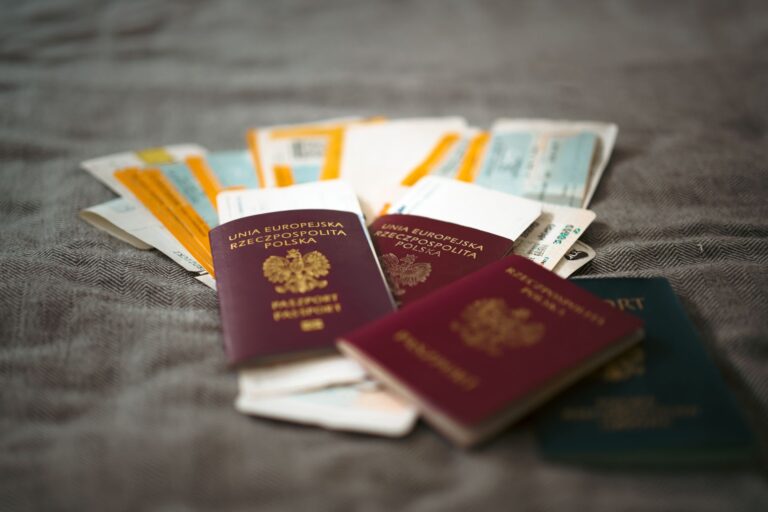
Saudi Student Visa for International Students
A step-by-step guide to the Saudi student visa in 2026: acceptance, the Study in Saudi platform,…
-
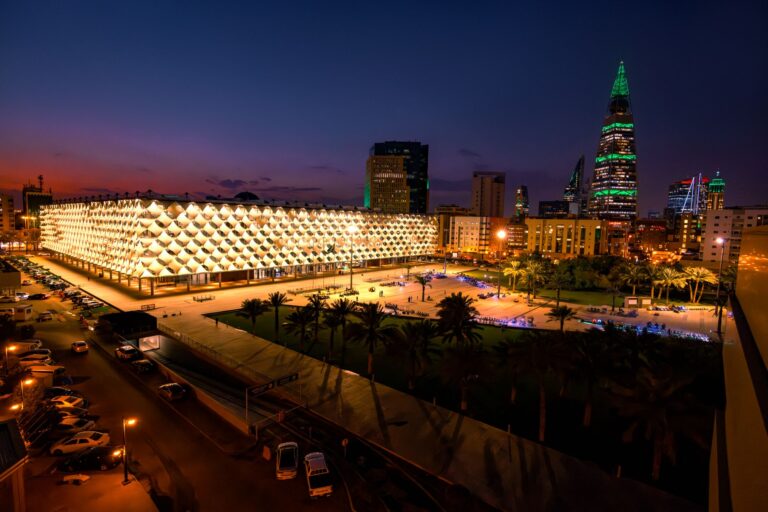
Saudi University Admission Requirements for Non-Saudis
A step-by-step guide to Saudi university admission requirements for international students in 2026, covering registration, documents,…
-

Working in Saudi Arabia After Graduation as a Non-Saudi
A step-by-step guide for non-Saudis on working in Saudi Arabia after graduation: employer sponsorship, work permits,…
Thinking about studying in Spain too?
-

Study in Spain
Everything you need to know about studying in Spain in 2027: UNEDasiss admission, tuition costs by…
-

Best Universities in Spain for International Students
Discover the best universities in Spain for international students in 2026, with information on programmes, requirements,…