

If you are looking for the best place to study in Europe, comparing study in Spain with other countries such as Germany, Italy, France, Serbia and Turkey can be a decisive step in making your decision. Each country offers different advantages in costs, quality of education, visas, job opportunities and lifestyle. In this complete guide we give you accurate, realistic comparisons to help you choose the country that best fits your academic and professional path in 2026.
🧮 Calculate your study cost in Spain in your own currency – official fees by region and university, housing and living costs (estimated) and scholarship eligibility in one minute: Study cost calculator
Advantages of studying in Spain compared with other countries
Spain is one of the most attractive European countries for international students, thanks to the quality of its higher education, its mild climate, its cultural diversity and its wide choice of universities. But how does it compare with Germany, Italy, France, Serbia and Turkey?
Tuition and living costs
The cost of studying in Spain differs noticeably from other countries, especially when it comes to tuition fees for public programmes.
| Country | Tuition fees (per year) | Average living costs (per month) | Working while studying |
|---|---|---|---|
| Spain | Public universities charge fees by credit and they vary by region; a non-EU student without residence may pay more (for example, Madrid about €6,823–8,186 per 60 ECTS) | Varies by city (there is no single official figure) | Allowed up to 30 hours a week |
| Germany | Varies; see the detailed comparison | Varies; see the detailed comparison | Allowed within limits set by German law |
| Italy | Varies; see the detailed comparison | Varies; see the detailed comparison | Allowed within limits set by Italian law |
| France | Varies; see the detailed comparison | Varies; see the detailed comparison | Allowed within limits set by French law |
| Serbia | Varies; see the detailed comparison | Varies; see the detailed comparison | Subject to special conditions |
| Turkey | Varies; see the detailed comparison | Varies; see the detailed comparison | Subject to special conditions |
By comparison, Spain offers a good balance between quality and cost, especially if you are looking for a programme in English or Spanish without paying high fees.
Visa and residence
Visa procedures in Spain are clear and well organised, especially with the “long-stay permit for studies” (autorización de estancia de larga duración por estudios), which is granted to students on programmes recognised by the state.
Visa conditions differ by country, but Spain is among the most student-friendly: Royal Decree 1155/2024 (article 57) allows work during studies for up to 30 hours a week within the autonomous community where the student lives, provided the work does not hinder the studies.
By contrast, some countries such as France and Turkey impose additional conditions on work, while in Germany the visa is more detailed about employment conditions.
If you are thinking of staying after graduation, there is a residence permit to look for work or launch a business after graduation, for up to 24 months; this permit does not itself allow work.
Quality of education and world rankings
The positions of Spanish universities in world rankings vary by university and subject, so check the ranking that matters to you directly.
By contrast, Germany, France and Italy do well in world rankings, especially in engineering and scientific fields. Serbia and Turkey offer good programmes but are less well known globally.
If you are looking for an education with global recognition, Germany or France may be a better choice. If you focus on a comfortable, culturally rich everyday life, Spain is an ideal choice.
Language and cultural integration
Spain does not require fluent Spanish for a study visa; it requires admission to an official programme. The programme sets the language of instruction and its level, and some programmes are taught in English.
In Germany, France, Turkey and Serbia, language requirements depend on the programme and the university; see the detailed comparison pages.
If you want to learn a new language, Spain is one of the best destinations, because it offers daily opportunities to speak Spanish.
Detailed comparison: Spain vs Germany
If you are considering studying in Germany, you will find that tuition fees are very low, but living costs are higher, and more working hours are allowed. Spain offers a better balance between cost and quality, with a more enjoyable life experience.
If you are looking for a strong professional education, Germany is the better choice. If you are looking for a comfortable daily life, Spain is an ideal choice.
Read the full comparison between Spain and Germany
Detailed comparison: Spain vs Italy
Spain and Italy are similar in climate, culture and quality of life, but each country has its strengths depending on the field and the university.
Costs and the number of English-taught programmes vary by city and university; see the detailed comparison.
Read the full comparison between Spain and Italy
Detailed comparison: Spain vs France
France is one of the leading countries in higher education, but it charges higher fees to non-EU students and requires fluency in French.
Spain offers some programmes in English, and its visa and residence conditions are documented in Decree 1155/2024.
Read the full comparison between Spain and France
Detailed comparison: Spain vs Serbia
Serbia is one of the cheapest European countries to study in, but it offers an educational experience that is less well known globally, and limited job opportunities after graduation.
Spain is a member of the European Union and the Schengen area, and official qualifications are awarded through the Spanish education system.
Read the full comparison between Spain and Serbia
Detailed comparison: Spain vs Turkey
Turkey offers programmes in English at low cost, but it is not part of the European Union, which reduces job opportunities in Europe after graduation.
Spain, on the other hand, is part of the European Union and the Schengen area, which makes it easier to travel, work and reside in other European countries.
Read the full comparison between Spain and Turkey
Detailed comparison: public vs private universities in Spain
Public universities in Spain are among the cheapest options, but they are not free: you pay fees set by region, and a non-EU student without residence may pay more (for example, Madrid about €6,823–8,186 per 60 ECTS). Private universities range, for example, from €6,390 at Deusto to €29,880 at IE.
Private universities offer more specialised programmes and a distinctive learning environment, but they cost more.
If you are looking for a high-quality education at a reasonable cost, public universities in Spain are an ideal choice.
Read the full comparison between public and private universities in Spain
Frequently asked questions
Can I study in Spain without a visa?
No. If you plan to stay for more than 90 days, you must apply for a long-stay visa for studies. Spain is part of the Schengen area, so make sure you have all the required documents.
What are the financial requirements for studying in Spain?
The student must prove sufficient financial resources: 100% of monthly IPREM (€600 in 2026) is required for 12 months, i.e. €7,200, plus 75% for the first accompanying family member and 50% for each additional one. The student’s own 100% of IPREM is not required if they prove that housing has been paid in advance for the whole stay (article 35 of RD 1155/2024). These funds must be available in a bank account.
Can I work while studying in Spain?
Yes. Decree 1155/2024 (article 57) allows work for up to 30 hours a week within the autonomous community where the student lives (and neighbouring towns), provided the work does not hinder the studies.
How long is a Spanish student visa valid?
The length of stay varies by programme and by the decision of the competent authority; check the duration and renewal conditions in your decision.
Can I stay in Spain after graduation?
Yes. Decree 1155/2024 provides a residence permit to look for work or launch a business after graduation, for up to 24 months; this permit does not itself allow work, and working requires the appropriate authorisation.
If you are looking for a well-rounded education, a comfortable daily life and job opportunities after graduation, comparisons of study in Spain with other countries show that Spain may be a suitable choice in 2026, depending on your priorities. Whether you are considering Germany, Italy, France, Serbia or Turkey, the decision depends on your field of study, your budget and each country’s conditions.
Universities in Spain
-
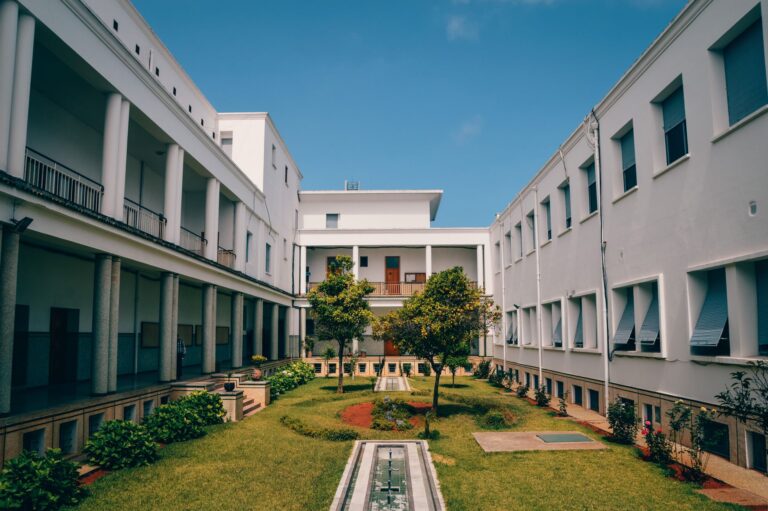
Polytechnic University of Madrid (UPM): Study, Admission and Fees
Admission requirements at the Polytechnic University of Madrid (UPM) for international students, tuition fees for non-EU…
-

Polytechnic University of Valencia – Study, Admission and Fees
Learn about Polytechnic University of Valencia (UPV) admission requirements for international students, actual tuition fees, language…
-
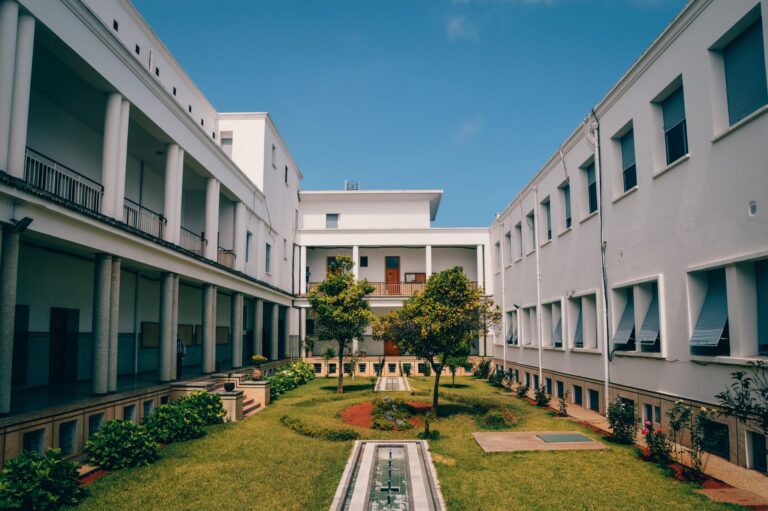
Pompeu Fabra University (UPF): Study, Admission and Fees
Everything you need to know about Pompeu Fabra University in Barcelona: admission requirements for international students,…
Scholarships in Spain
-

Spanish Government AECID Scholarship
Everything about the Spanish government AECID scholarship 2026 for international students: conditions, funding, duration and visa…
-

Spanish Government Grants for Residents (Becas MEC)
Everything you need to know about the Spanish government grants for residents (Becas MEC) in 2026:…
-

Spanish University Scholarships for International Students
Discover Spanish university scholarships for international students in 2026: government, university and European options, requirements, costs…
Study in Spain guides
-
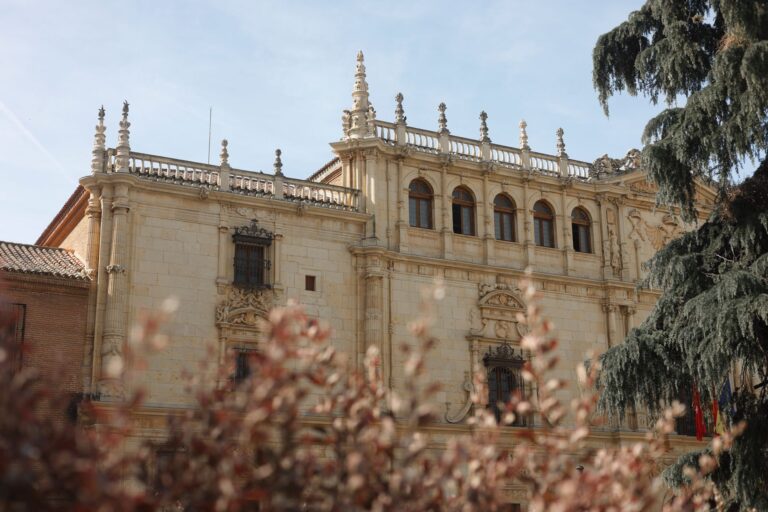
Daily Life as an International Student in Spain
A realistic guide to daily life as an international student in Spain: settling in, housing, transport,…
-

First Month in Spain: Checklist for International Students
A practical first-month-in-Spain checklist for international students: registration, enrolment, health insurance, TIE, banking and settling into…
-

Is Spain Safe for International Students?
Practical answers on whether Spain is safe for international students, with realistic tips on daily life,…
Thinking about studying in Serbia too?
-

Study in Serbia vs Other Countries
See how Serbia compares with Hungary, Romania, Russia, Poland, Bosnia, Turkey and China on cost, quality,…
-

Study in Serbia
Thinking about studying in Serbia in 2026? This guide covers tuition and living costs, top universities,…
-
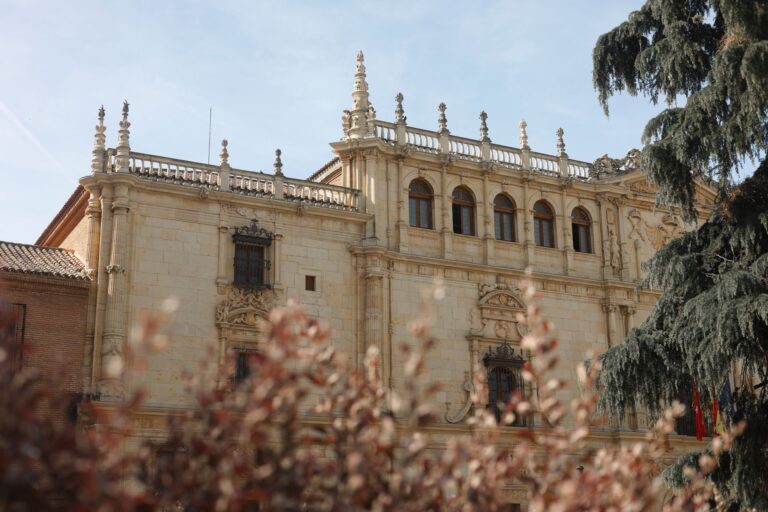
Study in Spain or Serbia? Comparison 2026
Thinking of studying in Spain or Serbia? Compare 2026 tuition fees, language, work rules, residence after…