

If you are an international student looking for the ideal study destination, comparing study in Spain or Turkey is a decisive step. Both countries offer attractive options, but the differences in costs, residence rules, work opportunities and Schengen access make a big difference to your academic and professional experience. In this article we give you a direct comparison based on real 2026 data, focused on what matters to you as an international student: fees, language, work during studies, residence after graduation and Schengen-area benefits.
🧮 Calculate your study cost in Spain in your own currency – official fees by region and university, housing and living costs (estimated) and scholarship eligibility in one minute: Study cost calculator
Study in Spain or Turkey? Full comparison table 2026
To make your decisions easier, here is a comparison table showing the main differences between Spain and Turkey in 2026, based on the criteria that matter most to international students.
| Criterion | Spain | Turkey |
|---|---|---|
| Tuition fees (2026 academic year) | Set by each autonomous community, and usually higher for non-resident students from outside the European Union: at Madrid’s public universities about 6,823–8,186 € per 60 ECTS credits; in Catalonia they can reach the full cost (for example 30 € per credit at UPC); in Valencia double the base price (12.79–18.00 € per credit); in Andalusia a base price of 12.62 € per credit, which a university may increase. | Varies by university (public or private) and programme, and is set by each institution, so check the university’s website. The government’s Türkiye Scholarships (Türkiye Bursları) cover tuition, accommodation, health insurance and a monthly stipend for those who are accepted. |
| Language of instruction | Spanish (mainly), with English-taught programmes at some universities (especially at master’s level). | Turkish (mainly), with English-taught programmes at private and public universities (for example Bilkent, Koç, Sabancı). |
| Work while studying | Allowed up to a maximum of 30 hours per week, within the autonomous community (the administrative region), without an additional work visa. | Requires a work permit; diploma and bachelor’s students can apply after completing the first year, and the work must be part-time; postgraduate students are not subject to this condition. |
| Residence after graduation | You can stay 24 months to look for work or start a business, provided you hold a bachelor’s degree or higher from Spain, health insurance, and resources equal to 100% of the monthly IPREM (600 €, i.e. 7,200 € per year). The permit is non-renewable and does not allow work during the search period. | There is no comparable job-search residence route; a graduate can apply for a work permit within one year of graduation under Article 19 of Law No. 6735. |
| Access to the Schengen Area | Spain is a Schengen member (29 countries), and your study stay permit allows short trips within the area (up to 90 days in any 180). | Turkey is not a Schengen member, and a Turkish student residence permit does not give you the right to travel within the Schengen Area; you will often need a Schengen visa depending on your nationality. |
| Visa and procedures | A long-stay study visa (autorización de estancia de larga duración) applied for through the embassy, with an acceptance letter, health insurance and legalised documents (including a criminal record certificate). | A study visa issued by the Turkish embassy, with an acceptance letter, health insurance and legalised documents. Required documents vary by embassy, so check the website of the Turkish consulate in your country. |
Tuition fees: Spain vs Turkey in 2026
Study costs differ greatly between Spain and Turkey, and fees in each country vary by university, programme, the student’s nationality and residence status, so compare the official prices of your target university.
In Spain, fees are set by each autonomous community. For a non-resident student from outside the European Union, they are about 6,823–8,186 € per 60 ECTS credits at Madrid’s public universities. In Catalonia, fees can reach the full cost (for example 30 € per credit at UPC and 6,800.32 € for the first year at UPF).
In Turkey, by contrast, each university sets its own fees, which differ between public and private universities. Holders of a Türkiye Scholarship have their tuition, accommodation and health insurance covered and receive a monthly stipend; applications are submitted every year through the scholarship website.
If you are looking for a balance between quality and cost, Spain offers a more stable option in terms of transparency and organisation, while Turkey is a suitable choice for students who want to cut costs without sacrificing quality in some fields.
Language: do you need to master Spanish or Turkish?
Language is one of the decisive factors in your academic and social experience. In Spain the official language is Spanish, and a good command of it is needed to fully integrate into academic and social life. However, some master’s programmes are taught in English, especially at large universities such as the Universitat de Barcelona or the Universidad Autónoma de Madrid.
In Turkey the official language is Turkish, but many public and private universities teach bachelor’s and master’s programmes in English, especially in technical and engineering fields. This is a big advantage for international students who do not speak Turkish, but it requires you to prepare your English beforehand.
If you plan to work in Europe after graduating, Spanish is a big asset, especially as Spain belongs to Schengen. In Turkey, mastering Turkish improves your chances of local employment but does not directly open doors to Europe.
Working while studying: real or limited opportunities?
In Spain, students are allowed to work up to 30 hours per week, within the autonomous community where they study, without needing an additional work visa. This lets you support your study costs, build practical experience and widen your professional network.
In Turkey, a foreign student needs a work permit, which the employer submits to the Ministry of Labour, and diploma and bachelor’s students can only apply after completing the first year, with the work being part-time. Work opportunities in Turkey are also relatively limited compared with European countries, especially in technical and service sectors.
If you want real, practical work experience, Spain is the better choice, especially with opportunities in sectors such as tourism, technology and services.
Residence after graduation: can you stay in Spain or Turkey?
This is where the fundamental differences lie. In Spain you can stay for 24 months after graduation to look for work or start a business, provided you have a bachelor’s degree or higher from Spain, health insurance, and a monthly income equal to 100% of the IPREM (600 € per month). It is non-renewable and does not allow work during the search period, but it gives you time to look for a job or a project.
In Turkey there is no comparable job-search residence route, but someone who has finished their studies in Turkey can apply for a work permit within one year of graduation, and the application is assessed under the international labour policy.
The options differ between the two countries according to your career plan, so compare the conditions of each route before deciding.
Access to the Schengen Area: a real opportunity or an illusion?
Spain is a member of the Schengen Area, which means that, as a student, you can make short trips within the Schengen Area (29 countries) for up to 90 days in any 180 with your study residence. This is a useful advantage, especially if you plan to visit countries such as France, Germany, Italy or the Netherlands during your studies.
Turkey is not a Schengen member, and a Turkish student residence permit does not give you the right to travel within the Schengen Area; you will often need a Schengen visa for each trip, depending on your nationality.
If you are looking for a genuine European experience with freedom of movement, Spain is the better choice.
Procedures and visas: what you need to know
In Spain, a long-stay study visa (autorización de estancia de larga duración) is applied for at the embassy or consulate, with an acceptance letter, health insurance and legalised documents (including a criminal record certificate covering the last 5 years, and a medical certificate). You must apply before entering the country, and after arrival you must apply for the foreigner identity card (TIE) within one month of entry.
In Turkey, a study visa is issued by the Turkish embassy, with an acceptance letter, health insurance and legalised documents. Required documents vary by embassy and university.
If you are looking for a clear and well-organised process, Spain offers a more transparent system, with clear official guidance from the Ministry of the Interior.
Frequently asked questions
Can I study in Spain without mastering Spanish?
Yes, you can, especially in master’s programmes taught in English. But it is best to learn the basics of Spanish to make daily life and social integration easier.
Are there scholarships in Spain?
Yes, some universities offer scholarships, especially public universities. Other government and institutional scholarship programmes also exist, so check each scholarship’s conditions and deadline on the awarding body’s website. We recommend searching the university’s website or our page on scholarships for studying in Spain.
Can I switch from a student visa to a work visa in Spain?
Under Royal Decree RD 1155/2024 (Article 57), a holder of a study stay permit may work up to 30 hours per week without a separate work authorisation, within the autonomous community where they study (and neighbouring border localities). Changing the type of residence to a work residence has its own conditions, so check with the official authority before applying.
Can I study in Turkey in English?
Yes, many programmes at Turkish universities are taught in English, especially at private universities such as Bilkent, Koç and Sabancı, and at some public universities too, so check the language of each programme.
What is the difference between studying in Spain and Turkey in terms of academic quality?
Quality and rankings vary from one university to another in both countries, so compare the universities and programmes that interest you directly.
Study in Spain or Turkey? The decision depends on your academic and career goals. If you are looking for a genuine European experience with freedom of movement, work opportunities and residence after graduation, Spain is the better choice. If you are looking to cut costs and study in English-taught programmes, Turkey offers attractive options, but it does not provide the same Schengen benefits or residence after graduation.
Invest your time in planning, and ask for specialist advice before making your decision. Remember that studying in Spain is a step towards a European career, while Turkey is more of a local option with limited opportunities at the European level. Choose what fits your vision, and start your journey with confidence.
Explore more about studying in Spain | Compare Spain with other countries
Official sources
- Comunidad de Madrid: precios públicos universitarios
- Türkiye Scholarships: Full-Time Scholarships
- Presidency of Migration Management: Work Permit
- International Labour Force Law No. 6735 (Mevzuat)
More comparisons
-

Public vs Private Universities in Spain
Public or private university in Spain? Compare fees, language, work rights, post-graduation residence and visa requirements…
-
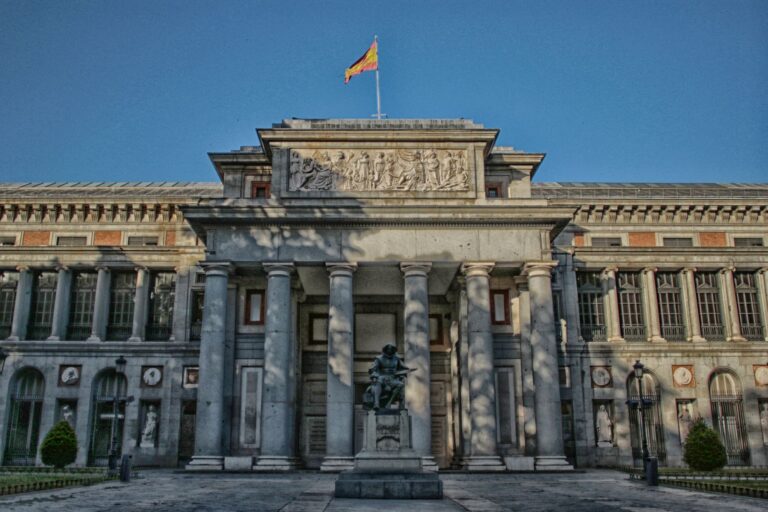
Study in Spain or France? Full 2026 Comparison
Study in Spain or France? A detailed 2026 comparison of tuition fees for non-EU students, language,…
-
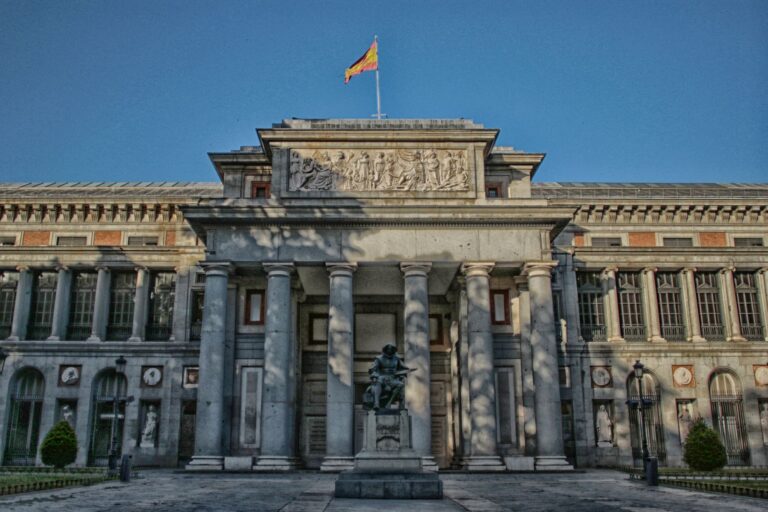
Study in Spain or Germany
Study in Spain or Germany? See the real differences in tuition fees, language requirements, work opportunities,…
-
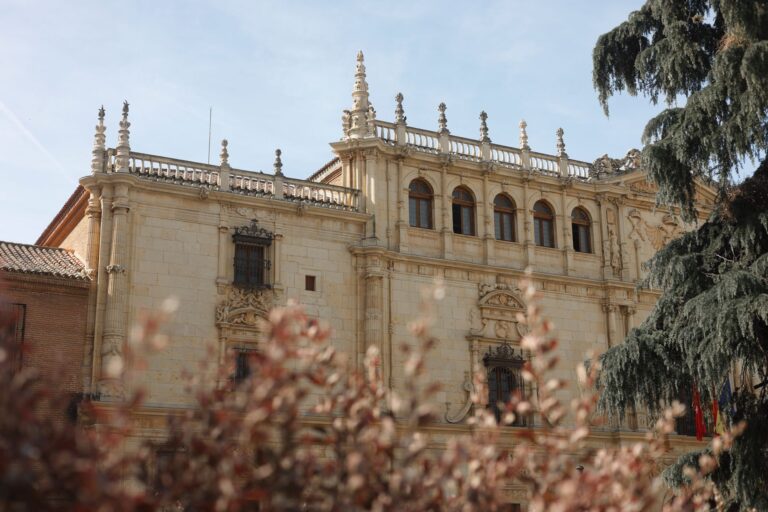
Study in Spain or Italy
Study in Spain or Italy? See the real differences in 2026: tuition fees, visa rules, work…
-
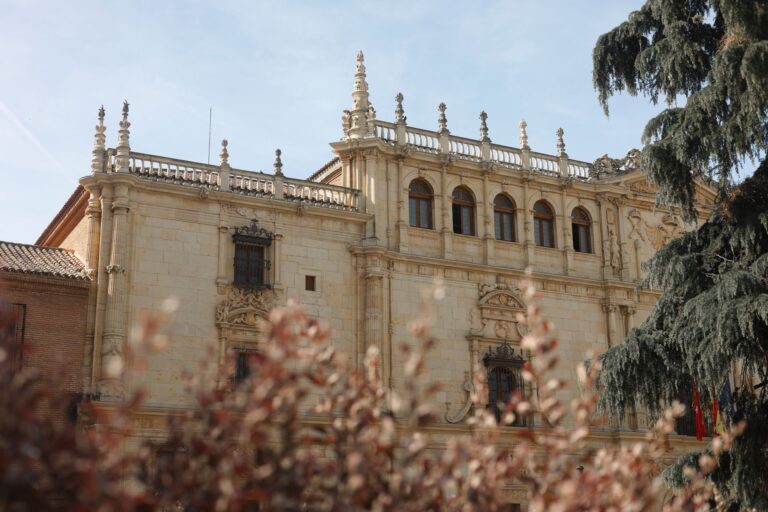
Study in Spain or Serbia? Comparison 2026
Thinking of studying in Spain or Serbia? Compare 2026 tuition fees, language, work rules, residence after…
Universities in Spain
-

European University of Madrid – Study, Admission and Fees
Admission for international students, fee information, language of study, housing and scholarships at the European University…
-

IE University – Study, Admission and Fees
Everything you need to know about IE University in Spain: admission for international students, actual fees,…
-

Polytechnic University of Catalonia (UPC): Study, Admission and Fees
Admission requirements at the Polytechnic University of Catalonia (UPC) for international students, actual non-EU tuition fees,…
Scholarships in Spain
-
Can You Study in Spain for Free?
Can you study in Spain for free? The truth: public fees are low for residents, scholarships…
-

Erasmus Mundus Scholarship in Spain
Discover the Erasmus Mundus scholarship in Spain: €1,400 a month for joint master’s programmes across countries.…
-

Fundación Carolina Scholarship
Details of the 2026 Fundación Carolina scholarship for Latin American students: eligibility, funding, visa and how…
Study in Spain guides
-

Is Spain Safe for International Students?
Practical answers on whether Spain is safe for international students, with realistic tips on daily life,…
-
Muslim Student Life in Spain
A practical guide to Muslim student life in Spain, from academic enrolment to living peacefully with…
-
Student Transport in Spain
Practical tips on student transport in Spain in 2026: the types of transport, how to get…
Thinking about studying in Serbia too?
-

Study in Serbia or Turkey
Thinking of studying in Serbia or Turkey? Compare costs, Türkiye Burslari and World in Serbia scholarships,…
-

Study in Serbia
Thinking about studying in Serbia in 2026? This guide covers tuition and living costs, top universities,…
-
Study in Spain or Serbia? Comparison 2026
Thinking of studying in Spain or Serbia? Compare 2026 tuition fees, language, work rules, residence after…