

If you are an international student planning to study in Spain for more than 90 days, obtaining long-term residence is a necessary step to secure your legal status. This procedure is an essential part of the journey of studying in Spain, especially if you aim to obtain an official qualification from an accredited university or a state-approved programme. In this comprehensive guide we explain everything you need to know about the path to long-term residence in Spain for students, based on the legal texts in force in 2026, focusing on the requirements, the procedures and the opportunities the country offers after studies end.
🧮 Calculate your study cost in Spain in your own currency – official fees by region and university, housing and living costs (estimated) and scholarship eligibility in one minute: Study cost calculator
What is long-term residence in Spain for students?
Long-term residence in Spain for students is a legal authorisation granted to non-European students enrolled in official study programmes lasting more than 90 days. It is officially known as autorización de estancia de larga duración por estudios, is issued under the updated Spanish regulation (RD 1155/2024), and is a basic requirement for staying in the country for long-term educational purposes.
This permit covers official state-approved programmes, including university degrees (such as bachelor’s, master’s and doctorate), as well as university-approved programmes (títulos propios), provided you are enrolled at an educational institution approved by the Spanish Ministry of Education.
The difference between long-term residence and the student visa
Long-term residence is not merely an entry visa, but a legal residence permit granted after entering Spain or during the enrolment procedures. You can apply for the student visa (issued by the Spanish consulate in your country) to enter Spain, then apply for the long-term residence permit after arrival.
The student visa is a means of entry, while long-term residence is the document that proves your right to stay in Spain for a set period, lets you work within certain limits, and take part in social and economic life.
Basic requirements for long-term residence
To apply for long-term residence in Spain for students, you must meet a set of legal requirements laid down in Spanish immigration law (RD 1155/2024). These requirements are not optional, but mandatory for your application to be accepted.
- Admission to an approved study programme: you must be admitted to an educational institution approved by the state, whether public or private, and you need to provide an official acceptance letter.
- Enrolment and payment: you must have paid the tuition fees, or completed official enrolment in the programme, with proof of full or partial payment according to the set dates.
- Valid passport: your passport must be valid.
- Health insurance: health insurance from a company approved in Spain, public or private, is required, covering all health risks during the period of stay.
- Criminal record certificate: required if the stay exceeds six months and you are an adult, issued by your country and by the countries where you lived during the last five years.
- Medical certificate: required to confirm the absence of infectious or chronic diseases that pose a risk to public health.
- Legalisation of foreign documents: all official documents from your country (such as your secondary school certificate, acceptance letter and criminal record) must be legalised through the Apostille system or official legalisation, and then translated into Spanish by a sworn translator.
Minimum financial resources
Sufficient financial resources are required to cover living costs during the study period. Under RD 1155/2024, resources are calculated based on the IPREM 2026, the general indicator on which the required resources are calculated.
The minimum required is:
- 100% of the IPREM per month (600 € per month, i.e. 7,200 € per year, in monthly instalments).
- The student’s own 100% of the IPREM is not required if you prove that housing has been paid in advance for the whole period of stay (Article 35 of RD 1155/2024), and amounts set aside for the cost of studies are not counted.
- Plus 75% of the IPREM for the first family member, and 50% for each additional member.
You must provide financial proof such as a bank statement, a letter of financial support from a funding body, or an approved scholarship.
Procedures and practical steps
Obtaining long-term residence in Spain requires following organised steps, which begin before travel and continue after arriving in the country.
- Enrol at the university: start the application process at the university or educational institution you choose, and make sure the programme is among the approved programmes.
- Obtain the acceptance letter: after admission, you will receive an official letter confirming your enrolment on the programme.
- Apply for the student visa: visit the Spanish consulate in your country (for example the Spanish consulate competent for your place of residence) to submit the visa application, attaching the required documents.
- Enter Spain: after the visa is granted, enter Spain within the visa’s validity period.
- After arrival: the study stay application is submitted from abroad via the visa (at least two months before the start of studies, and it is decided within one month). If you are in Spain in a regular status, the application is submitted at the immigration office (Oficina de Extranjería) at least two months before your status expires, and it is decided within two months.
- Receive the TIE card: if the stay exceeds six months, request the card in person at the police station (Comisaría) within one month of entering Spain.
Duration of residence and renewal
The duration of long-term residence is set according to the length of the official study programme. It is not calculated on an annual basis, but based on the official length of the programme. For example, if a bachelor’s programme lasts 4 years, the residence will be for 4 years.
You may need to apply for an extension (prórroga) of the residence, by submitting proof of enrolment on the programme (such as an attendance record or academic calendar) and documenting your financial resources and health insurance.
Working while studying: what is allowed?
A student holding long-term residence in Spain is allowed to work without needing an additional authorisation, provided the work is compatible with the aims of the studies.
The maximum work is 30 hours per week, and work is limited to the region (comunidad autónoma) where the student lives, plus neighbouring border localities. Exceeding these limits or the weekly limit ends the permit (Article 57 of RD 1155/2024).
In addition, practical training required within the study programme (prácticas curriculares) does not require any additional authorisation, provided it is part of the academic curriculum.
Exceptions and restrictions
Work is prohibited in professions considered sensitive in terms of security or society, or in professions requiring a special licence (such as medicine or law) without the appropriate professional licence.
You must also comply with the academic enrolment requirements and not exceed the maximum work limit, to avoid losing your residence.
Staying after graduation: an opportunity for work or a business
If you complete your studies successfully and obtain a university qualification from Spain (at least EQF level 6, i.e. a bachelor’s or higher), you can apply for a residence permit to look for work or start a business.
This permit is granted for up to 24 months and is not renewable, and work is not allowed during it. The application is decided within 20 days, and silence counts as approval.
To obtain it, you must have:
- A completed qualification from a Spanish institution.
- Valid health insurance.
- Fulfilment of the other conditions set out in official Sheet no. 20.
Applications are submitted following the procedures set out in official Sheet no. 20 of the Ministry of Inclusion, Social Security and Migration.
Switching from study residence to work residence
Under Article 190 of RD 1155/2024, a study stay holder who has obtained the qualification can move to residence and work without a visa, with an employment contract from an employer who meets the requirements (without requiring assessment of the national employment situation) or with a self-employment project. The application is submitted within the two months before the study stay ends or the three months after.
EU long-term residence (residencia de larga duración) requires five years of continuous legal residence in Spain (Article 176 of RD 1155/2024). Periods of residence for study count at only 50% of their length, provided you are in residence (residencia) status when applying. For example, four years of study count as two years, and the period is then completed with years of residence and work.
Frequently asked questions
Can I study in Spain without long-term residence?
No, if your study lasts more than 90 days you are required to obtain long-term residence. If the study is short (less than 90 days), you can rely on the short-stay visa (Schengen).
How much do the visa and residence cost in Spain?
Visa fees vary by consulate and country, and the current amount should be checked on the website of the competent consulate, while card and permit fees are paid through form 790. These costs do not include health insurance or living expenses.
Can I stay in Spain after graduation?
Yes, if you complete your studies successfully and obtain a qualification from Spain, you can apply for a job-search residence for 24 months, without needing a new visa.
Can I change university during my studies?
Yes, but you must notify the immigration office of your changes, submit the admission documents for the new university, and update your proof of enrolment and financial resources.
What is the maximum work allowed for students in Spain?
The maximum is 30 hours per week, and work is limited to the autonomous community where you live. Working in other regions is not allowed without special authorisation.
Obtaining long-term residence in Spain for students is not just an administrative procedure, but a strategic step towards building a professional and personal future in Europe. By complying with the legal requirements, submitting documents accurately and making use of the opportunities available after graduation, you can turn your study journey into a real opportunity to integrate into the Spanish labour market.
If you are thinking of studying in Spain, understanding these procedures early is the key to success. Do not hesitate to contact our experts for a free consultation on application steps, choosing a university, or preparing for residence.
Back to the work in Spain page | Student visa in Spain
Official sources
- BOE: Reglamento de extranjería (RD 1155/2024)
- Ministerio de Inclusión: Hoja 20 – residencia para búsqueda de empleo
- Ministerio de Inclusión: Hoja 1 – estancia por estudios
More guides
-
Job Search Residence After Graduation in Spain
Requirements for the job search residence after graduation in Spain in 2026: a non-renewable 24-month stay,…
-

Spanish Degree Recognition in Your Home Country
How to get a Spanish degree recognised in your home country: competent bodies, required documents, apostille…
-
Switch from a Student Permit to a Work Permit in Spain
Official routes to switch from a student residence permit to a work permit in Spain under…
-
Working While Studying in Spain
Learn the rules for working while studying in Spain under RD 1155/2024: up to 30 hours…
Universities in Spain
-
University of Deusto – Study, Admission and Fees
Everything you need to know about the University of Deusto in Bilbao: admission for international students,…
-
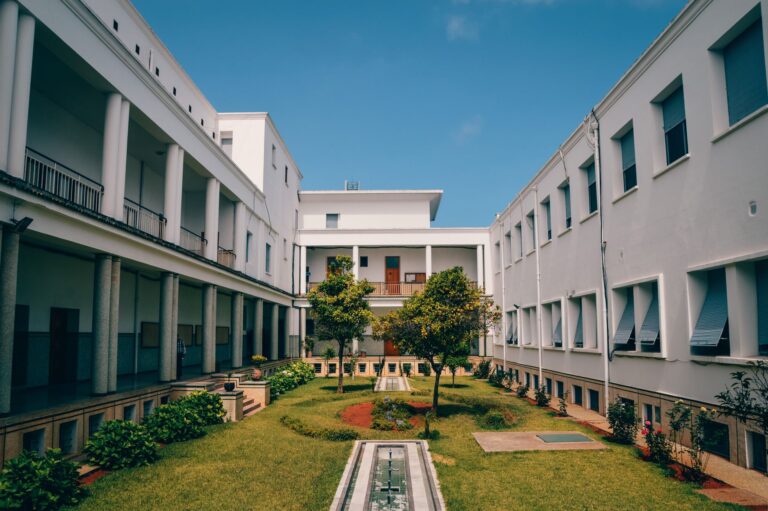
University of Granada – Study, Admission and Fees
Admission requirements, actual fees, language of study, housing and scholarships at the University of Granada for…
-

University of Málaga – Study, Admission and Fees
Learn about University of Málaga admission requirements for international students, actual tuition fees, language of study,…
Scholarships in Spain
-

Master’s Scholarships in Spain
Discover master’s scholarships in Spain for 2026 through Erasmus Mundus and university schemes: requirements, funding, application…
-

Spanish Government AECID Scholarship
Everything about the Spanish government AECID scholarship 2026 for international students: conditions, funding, duration and visa…
-

Spanish Government Grants for Residents (Becas MEC)
Everything you need to know about the Spanish government grants for residents (Becas MEC) in 2026:…
Study in Spain guides
-

Is Spain Safe for International Students?
Practical answers on whether Spain is safe for international students, with realistic tips on daily life,…
-

Muslim Student Life in Spain
A practical guide to Muslim student life in Spain, from academic enrolment to living peacefully with…
-
Student Transport in Spain
Practical tips on student transport in Spain in 2026: the types of transport, how to get…
Thinking about studying in Serbia too?
-

Study in Serbia
Thinking about studying in Serbia in 2026? This guide covers tuition and living costs, top universities,…
-
Study in Spain or Serbia? Comparison 2026
Thinking of studying in Spain or Serbia? Compare 2026 tuition fees, language, work rules, residence after…