

If you plan to study in Spain or want to improve your Spanish, Instituto Cervantes in the Arab world is the first stop for official language exams and accredited courses. The institute is one of Spain’s most prominent cultural institutions, and offers training programmes and certified exams recognised by universities and academic institutions around the world. In this comprehensive guide we explain the required levels, the types of exam and the accredited centres in Arab countries, along with the conditions and procedures to follow to make sure your application succeeds.
🧮 Calculate your study cost in Spain in your own currency – official fees by region and university, housing and living costs (estimated) and scholarship eligibility in one minute: Study cost calculator
What is Instituto Cervantes in the Arab world?
Instituto Cervantes is a Spanish cultural institution dedicated to promoting the Spanish language and its culture around the world, with centres in a large number of countries, including Arab countries. In the Arab world, the institute operates through official accredited centres that offer language courses, certified exams and training programmes for university students and professionals.
Centres differ by country, but all comply with the academic and administrative standards set by the central administration in Madrid. These centres are among the best options for anyone seeking a certified qualification in Spanish, whether for study, employment or immigration.
Accredited centres in Arab countries
The official “Sedes en el mundo” list of Instituto Cervantes includes the following centres in Arab countries:
- Egypt: Cairo and Alexandria
- Algeria: Algiers and Oran
- Tunisia: Tunis
- Morocco: Rabat, Casablanca, Tangier, Tetouan, Fez and Marrakesh
- Jordan: Amman
- Lebanon: Beirut
There is no official Instituto Cervantes centre in Riyadh, Doha or Abu Dhabi on this list; the Amman centre oversees exam centres and accredited centres in a number of Gulf countries. Centres offer language courses and exams according to each centre. We recommend checking each centre’s official website before applying, because dates, costs and programmes may differ from one country to another.
Learn about Spanish language programmes in Spain
Language levels certified by Instituto Cervantes
Instituto Cervantes divides Spanish proficiency according to the Common European Framework of Reference for Languages (CEFR), and offers certificates for each level from A1 to C2. These certificates are a global benchmark, and are accepted by Spanish universities, academic institutions and multinational companies.
If you plan to study in Spain, the required levels differ by university and programme. But in general:
- B1 and B2: these are the levels most requested by Spanish universities, according to the body that runs the SIELE exam, and the requirement varies from one university to another.
- C1: may be required by some specialisations or advanced programmes.
- Other levels: each university and each programme sets the level it accepts.
We recommend obtaining a B2 or C1 certificate if you plan to apply for scholarships or academic exchange programmes in Spain.
Official exams at Instituto Cervantes
Instituto Cervantes runs the DELE exams (Diplomas de Español como Lengua Extranjera), which are official diplomas awarded by the Spanish Ministry of Education and are valid indefinitely, and it also administers SIELE (a certificate valid for five years, scored from 0 to 1000). CCSE is the test of Constitutional and Sociocultural Knowledge of Spain (Conocimientos Constitucionales y Socioculturales de España), and is not a language test with CEFR levels.
Exams are held at accredited centres, and assess the four basic skills: reading, writing, listening and speaking. Exams are held several times a year, and dates vary by country.
We recommend applying early, because places are limited, and registration often closes weeks before the exam date.
Learn about Spanish language levels and the learning path
Steps to register for an Instituto Cervantes exam
Registering for an Instituto Cervantes exam in Arab countries is an organised process, but it requires advance preparation. Here are the basic steps:
- Choose the right centre for your country from the list of accredited centres.
- Check the exam dates available at the centre.
- Fill in the electronic registration form on the institute’s official website.
- Pay the required fees (they vary by level, centre and country; check the official price list of your centre).
- Upload the required documents: passport, a personal photo, and previous documents if any.
- Receive what you need to enter the exam according to the centre’s instructions.
We recommend attending a practice session or practising on your own before the exam, especially if you aim for level B2 or higher.
Costs and fees in 2026
Fees vary by country, level and centre, and each centre announces its prices on the official website (they may be in local currency). Fees do not include the cost of preparation or training courses, which are offered by the centres or other providers.
We recommend checking the exact costs through the institute’s official website in the country where you live, because some centres may offer discounts or support programmes for students.
Preparing for the exam: practical tips
Succeeding in an Instituto Cervantes exam does not depend only on knowledge, but on good preparation. Here are some tips that help you prepare effectively:
- Use the official materials issued by the institute, such as preparation books and past exam papers.
- Practise listening through Spanish radio programmes, TV series or podcasts in Spanish.
- Practise writing regularly, and ask teachers or native speakers to review your work.
- Join study groups or accredited training courses at Cervantes centres.
- Make sure you practise speaking skills, because they are an essential part of the exam.
Good preparation is the key to obtaining the certificate that opens the doors to study or work in Spain.
After the exam: receiving your certificate
DELE results are usually announced after about two months, and the way you receive the diploma depends on the centre. The DELE diploma has no expiry, while the SIELE certificate is valid for five years.
If you plan to apply to a Spanish university, we recommend keeping a digital copy of the certificate and submitting it with your application file. Some universities may ask for an official translation of the certificate into Arabic or English.
Explore Spanish language programmes in Spain
Frequently asked questions
Can I take an Instituto Cervantes exam without being a student in an Arab country?
Yes, you can sit the DELE exams at one of the accredited exam centres; check the centre’s policy on non-residents and registration times.
What is the difference between DELE and CCSE?
DELE are official language diplomas at levels from A1 to C2. CCSE is a test on the Spanish constitution, culture and society (not a language test), usually linked to Spanish nationality procedures, and has no connection to levels A1–B1.
Is an Instituto Cervantes certificate accepted by Spanish universities?
Many Spanish universities accept the DELE certificate, especially for programmes taught in Spanish, but each university sets the level and the certificate it accepts (often B1 or B2), so check the conditions of your target university.
Can I retake the exam if I fail?
Yes, you can register again for a later session within the official registration dates, paying the fees and filling in the form again.
If you are looking for an opportunity to study in Spain or want to improve your Spanish, Instituto Cervantes in the Arab world is an essential step towards success. Through the accredited centres, official exams and certified levels, you can build a strong foundation in Spanish, whether you are a student abroad or inside Spain. Do not hesitate to start preparing now, and use the resources available to ensure your success in the exams and in applying to universities.
Instituto Cervantes (official website)
Official sources
More language guides
-
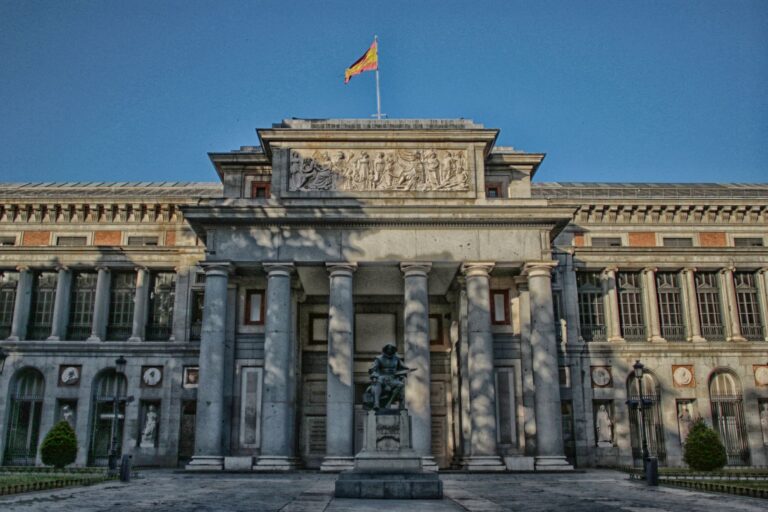
DELE vs SIELE: Which Spanish Certificate Do You Need?
Learn the difference between DELE and SIELE, which Spanish certificate and level universities ask for, and…
-

Spanish Language Schools for Foreigners
Guide to Spanish language schools for foreigners in 2026: required level, DELE and SIELE exams, accredited…
-
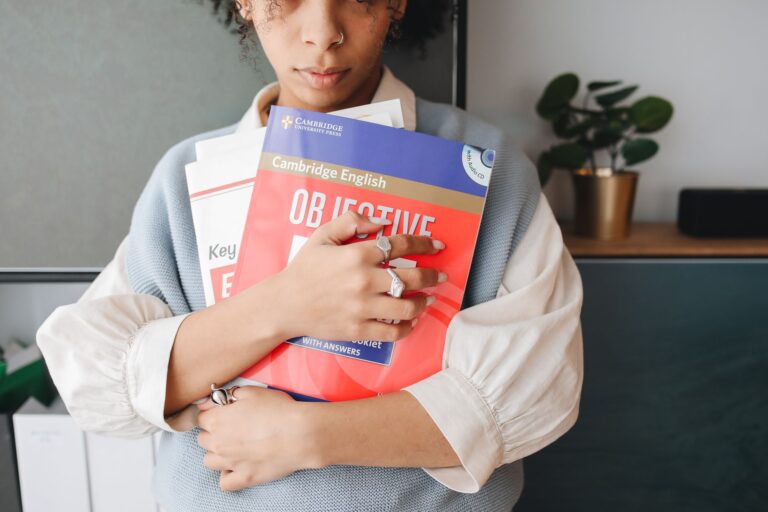
Studying in Spain in English
Everything you need to know about studying in Spain in English: language requirements, accepted exams, accredited…
Universities in Spain
-
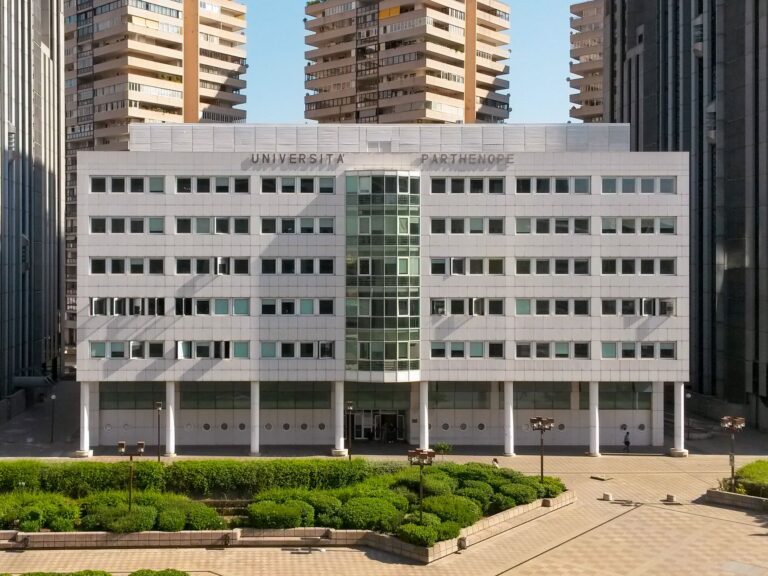
Polytechnic University of Catalonia (UPC): Study, Admission and Fees
Admission requirements at the Polytechnic University of Catalonia (UPC) for international students, actual non-EU tuition fees,…
-
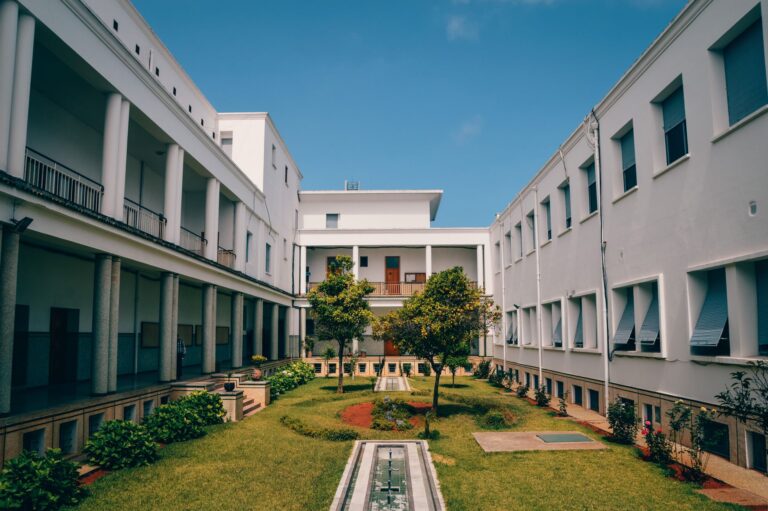
Polytechnic University of Madrid (UPM): Study, Admission and Fees
Admission requirements at the Polytechnic University of Madrid (UPM) for international students, tuition fees for non-EU…
-
Polytechnic University of Valencia – Study, Admission and Fees
Learn about Polytechnic University of Valencia (UPV) admission requirements for international students, actual tuition fees, language…
Scholarships in Spain
-

Master’s Scholarships in Spain
Discover master’s scholarships in Spain for 2026 through Erasmus Mundus and university schemes: requirements, funding, application…
-

Spanish Government AECID Scholarship
Everything about the Spanish government AECID scholarship 2026 for international students: conditions, funding, duration and visa…
-

Spanish Government Grants for Residents (Becas MEC)
Everything you need to know about the Spanish government grants for residents (Becas MEC) in 2026:…
Study in Spain guides
-
Daily Life as an International Student in Spain
A realistic guide to daily life as an international student in Spain: settling in, housing, transport,…
-

First Month in Spain: Checklist for International Students
A practical first-month-in-Spain checklist for international students: registration, enrolment, health insurance, TIE, banking and settling into…
-

Is Spain Safe for International Students?
Practical answers on whether Spain is safe for international students, with realistic tips on daily life,…
Thinking about studying in Serbia too?
-

Study in Serbia
Thinking about studying in Serbia in 2026? This guide covers tuition and living costs, top universities,…
-

Study in Spain or Serbia? Comparison 2026
Thinking of studying in Spain or Serbia? Compare 2026 tuition fees, language, work rules, residence after…