

Studying in Barcelona is a unique educational and cultural experience, combining academic innovation, cultural diversity and a free-spirited way of life in one of the most beautiful cities in Europe. If you are an international or Muslim student looking for a supportive, diverse and safe study environment, Barcelona offers everything you need. From leading universities to varied neighbourhoods, and from costs to career opportunities, you will find what you need to plan your studies. In this complete guide we review every aspect of studying in Barcelona, with a focus on the needs of international and Muslim students, and give accurate information on universities, housing, living costs, visas and daily life.
🧮 Calculate your study cost in Spain in your own currency – official fees by region and university, housing and living costs (estimated) and scholarship eligibility in one minute: Study cost calculator
Universities in Barcelona: Outstanding Academic Options
Barcelona is a leading academic hub in Spain, home to a group of prestigious universities offering varied programmes in Spanish and English; the language of instruction (Catalan, Spanish or English) varies by programme. If you are looking to study in Barcelona, you will find many options for different fields, from science and engineering to business and the arts.
- University of Barcelona (UB) – a long-established public university, whose programmes are taught in Catalan and Spanish, and some in English.
- Autonomous University of Barcelona (UAB) – a public university whose main campus is in Bellaterra, in the province of Barcelona, outside the city itself, offering programmes in science, social sciences and the humanities.
- Pompeu Fabra University (UPF) – a public university offering programmes in the humanities, economics, communication and law.
- Polytechnic University of Catalonia (UPC) – a public university specialising in engineering, technology and architecture.
- ESADE (Ramon Llull University) – a private institution belonging to Ramon Llull University, offering programmes in business administration and law.
Tuition fees vary by university, programme and type of student (resident or non-resident). At public universities in Catalonia, the general price for first enrolment is 17.69 euros per credit, but universities may charge non-EU students without residence fees of up to the full cost; for example, UPC about 30 euros per credit, and UPF about 6,800.32 euros for the first year 2026-27 (check each university’s website). Private universities such as ESADE charge higher fees, which must be confirmed with the specific university.
Living Costs and Housing in Barcelona
Barcelona is one of the most expensive Spanish cities for housing. The following figures are approximate, unofficial estimates. If you are thinking of studying in Barcelona, it is important to plan your monthly costs carefully.
| Item | Approximate, unofficial estimate (EUR/month) |
|---|---|
| Housing (room in a shared flat) | 400 – 650 |
| Housing (separate flat) | 800 – 1,500 |
| Food | 200 – 350 |
| Transport (T-jove for under-30s, 90 days, single fare for all zones: 45.50 euros according to ATM for 2026) | ≈ 15 |
| Communications (mobile plans) | 20 – 30 |
| Activities and leisure | 100 – 200 |
Bear in mind that housing costs vary by area. Areas close to the city centre such as Eixample and Gràcia are more expensive, while neighbourhoods such as Sant Andreu and Sants are more economical. University housing is available at some universities, but it is limited, and you need to apply early.
Residence and Visa: Requirements for Studying in Barcelona
To study in Barcelona, you must obtain a long-stay permit (autorización de estancia de larga duración por estudios) if you will stay more than 90 days. This residence is regulated by the Immigration Regulation RD 1155/2024 and covers study in approved programmes (Grados, Másteres); check that your programme is eligible, especially university-specific degrees (títulos propios).
To obtain the visa, you must meet the following requirements:
- Official admission to a recognised university in Barcelona.
- Payment of tuition fees (official enrolment).
- A passport valid for at least one year.
- Public or private health insurance approved in Spain.
- A criminal record certificate (for stays of more than 180 days, within the last 5 years).
- A medical certificate.
- Legalisation of foreign documents (by apostille under the Hague Convention or official legalisation) with an official translation into Spanish.
- For bachelor’s applicants: homologation (homologación) of your secondary school certificate through the Spanish Ministry of Education (form 790, code 079, about 49.76 euros), then accreditation/PCE through UNEDasiss, which does not admit students by itself; admission is through pre-registration (preinscripción) in the autonomous community.
In addition, you must show sufficient financial resources. In 2026, non-EU students are required to show 600 euros per month (7,200 euros per year), plus 75% of IPREM for the first accompanying family member and 50% for each additional member. The student’s own 100% IPREM amount is not required if you show that housing has been paid in advance for the whole stay (article 35 of RD 1155/2024).
The application is submitted through the relevant Spanish consulate in your country, and fees vary by country (see the consulate’s website). After arrival, you must apply for the residence card (TIE) at the local police office within one month of entering Spain.
Working While Studying: Real Opportunities for Students
One of the big advantages of studying in Barcelona is that you are allowed to work while studying without needing an additional work visa, provided the work is compatible with your academic schedule.
Students may work up to 30 hours per week, and the work must be within the autonomous community where they study (Catalonia) and its bordering localities under RD 1155/2024. This opens up opportunities in fields such as restaurants, teaching, translation and freelance work. Academic internships (prácticas curriculares) do not require an additional permit and are considered part of the study programme.
Barcelona has varied sectors such as technology, tourism and advertising, but job opportunities vary and there are no guarantees, and the maximum is 30 hours per week.
Everyday Life for International and Muslim Students in Barcelona
Barcelona is one of the most accepting cities in Europe for cultural diversity, especially for international and Muslim students. The city has mosques, halal restaurants and active communities from many countries, which makes adapting easier.
There are many mosques and Islamic centres in Barcelona; check their addresses and prayer times before relying on them. There are also Arab and Middle Eastern restaurants in various neighbourhoods, and you are advised to check for yourself that the food is halal.
In addition, student associations at the universities organise cultural events, leisure trips and religious seminars, which strengthens the sense of belonging. Spanish is not a major obstacle, as many international students learn it quickly, and some subjects are often taught in English.
Andalusian Heritage: Deep Cultural Roots
Barcelona is a Catalan city, and its link with Islamic rule is historically limited: it was under Muslim rule for a short period in the early 8th century before passing to Frankish rule in 801, so the Andalusian heritage is less present than in the south.
Do not expect prominent Andalusian buildings in old neighbourhoods such as El Raval and Barri Gòtic; the architecture is mostly Gothic and modern. You can explore the history of Al-Andalus in other cities such as Granada and Seville.
Studying in Barcelona gives you a chance to get to know Catalan culture and the diversity of the city.
Frequently Asked Questions
Can I study in Barcelona without speaking Spanish?
Yes, you can study in Barcelona without fluent Spanish, especially in programmes taught in English; some universities such as UPF, UPC and ESADE offer programmes in English (check the language of each programme). But it is useful to learn the basics of Spanish to make daily life and integration easier.
What is the best way to look for housing in Barcelona?
The best way to look for housing is to use platforms such as Idealista and Fotocasa, or apps such as WhatsApp and Facebook, where individuals post housing offers. It is also advisable to join student groups on WhatsApp or Telegram, where information is shared about semi-furnished flats or available rooms.
Are there scholarships for non-EU students in Barcelona?
Some universities may offer scholarships to non-EU students, and their conditions and numbers vary. Some universities also offer discounts on tuition fees. It is advisable to check the website of the university you want directly, or contact the admissions office.
Can I stay in Spain after graduating?
RD 1155/2024 allows graduates of studies at level 6 or above of the European Qualifications Framework (EQF) a job-search residence of up to 24 months, which is non-renewable and during which work is not allowed; a work permit can then be considered under the official conditions.
Studying in Barcelona is not just an academic opportunity but a life experience that changes your perspective, widens your horizons and strengthens your personal and professional abilities. With varied universities and a multicultural environment, Barcelona is a destination worth studying carefully, keeping in mind the high housing costs. Whether you are looking for a subject in engineering, business administration or the arts, Barcelona offers everything you need to build a successful future. Start your journey now and head for your studies in Barcelona, where civilisation meets innovation and heritage meets the future.
Official Sources
- ATM: T-jove
- Universitat Pompeu Fabra
- Universitat Politècnica de Catalunya
- Ministerio de Educación, FP y Deportes – homologación
- UNEDasiss
- Ministerio de Inclusión y Migraciones
- INE
More cities
-
Study in Córdoba
Everything you need to know about studying in Córdoba: universities, living costs, housing, visa requirements and…
-
Study in Granada
Everything you need to know about studying in Granada: universities, living costs, housing, visa requirements and…
-
Study in Madrid
Everything you need to know about studying in Madrid: leading universities, living costs, housing, daily life…
-

Study in Málaga
Everything you need to know about studying in Málaga: universities, living costs, housing, daily life for…
-
Study in Salamanca
Everything you need to know about studying in Salamanca: universities, living costs, housing, visa requirements and…
-
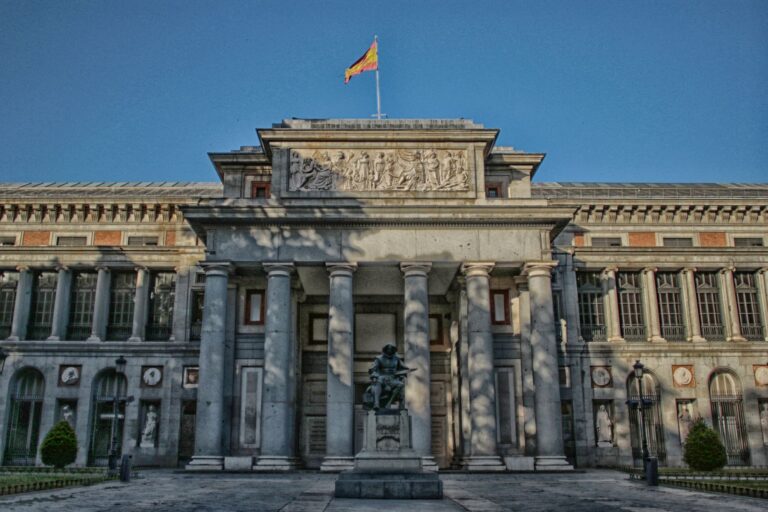
Study in Seville
Everything you need to know about studying in Seville: universities, living costs, housing, daily life for…
Universities in Spain
-
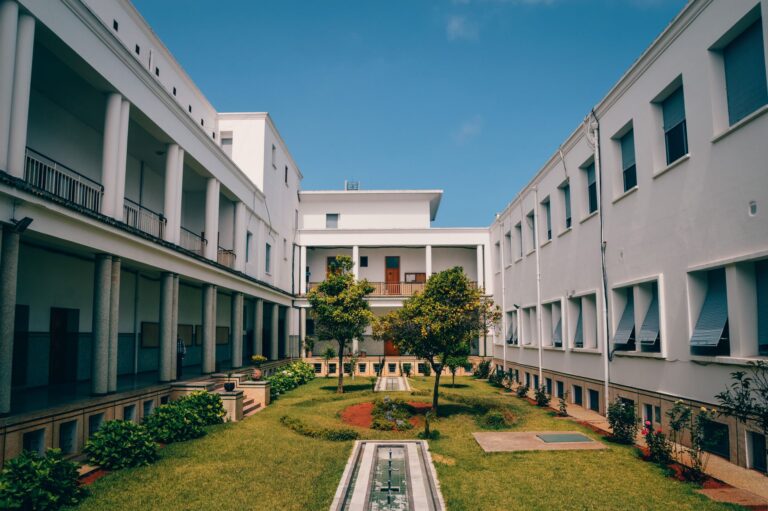
Autonomous University of Barcelona: Admission, Fees and Study Guide
A complete 2026 guide to the Autonomous University of Barcelona (UAB) for international students: admission, tuition…
-
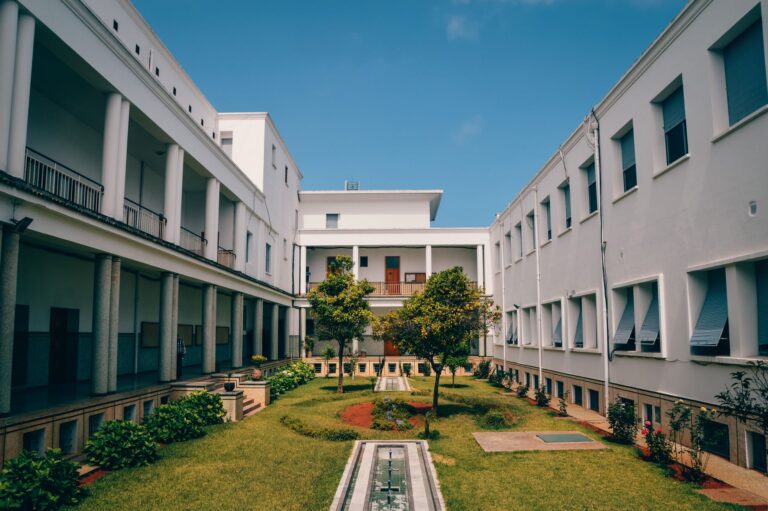
Autonomous University of Madrid – Study, Admission and Fees
Everything you need to know about the Autonomous University of Madrid: admission for international students, actual…
-
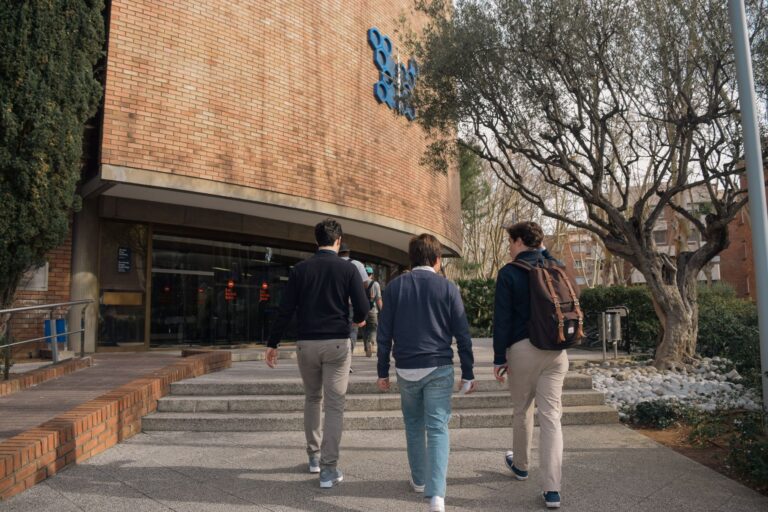
Carlos III University of Madrid – Study, Admission and Fees
Learn about Carlos III University of Madrid (UC3M) admission requirements for international students, tuition costs, language…
Scholarships in Spain
-

Fundación Carolina Scholarship
Details of the 2026 Fundación Carolina scholarship for Latin American students: eligibility, funding, visa and how…
-

Master’s Scholarships in Spain
Discover master’s scholarships in Spain for 2026 through Erasmus Mundus and university schemes: requirements, funding, application…
-

Spanish Government AECID Scholarship
Everything about the Spanish government AECID scholarship 2026 for international students: conditions, funding, duration and visa…
Study in Spain guides
-

First Month in Spain: Checklist for International Students
A practical first-month-in-Spain checklist for international students: registration, enrolment, health insurance, TIE, banking and settling into…
-

Is Spain Safe for International Students?
Practical answers on whether Spain is safe for international students, with realistic tips on daily life,…
-
Muslim Student Life in Spain
A practical guide to Muslim student life in Spain, from academic enrolment to living peacefully with…
Thinking about studying in Serbia too?
-

Study in Serbia
Thinking about studying in Serbia in 2026? This guide covers tuition and living costs, top universities,…
-

Study in Spain or Serbia? Comparison 2026
Thinking of studying in Spain or Serbia? Compare 2026 tuition fees, language, work rules, residence after…